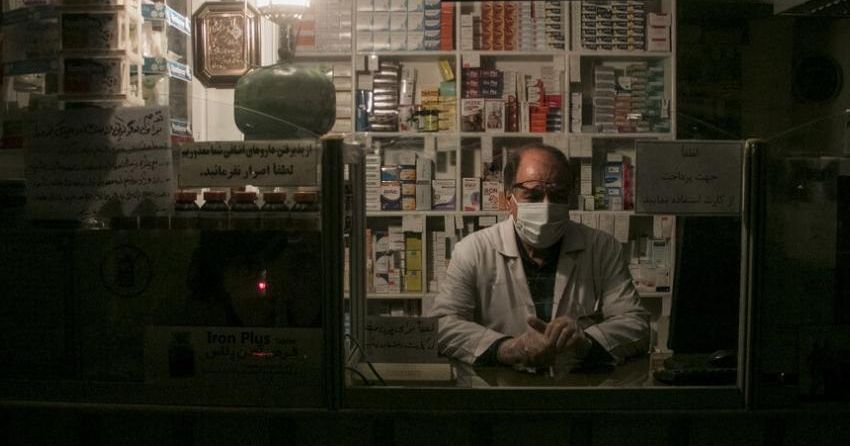
According to Iran International, Iran's parliament research arm warned that the country's power grid could face a 13,640-megawatt summer peak deficit—approximately 17% of projected demand. This shortfall represents roughly one-third of Iran's average 2024 electricity load.
The warning directly attributes this strain to war damage compounding chronic power shortages already endemic to Iran's grid. The scale matters: a 13,640 MW deficit isn't marginal stress. It's structural failure territory during peak season.
Why this matters for grid-aware readers: Iran's grid instability has cascading domestic consequences—industrial shutdowns, rationing, demand destruction. But the precedent is more interesting than the immediate impact. Regional power grids under simultaneous stress from conflict and infrastructure damage behave unpredictably. Load-shedding cascades. Microgrids fail. Restoration timelines extend.
Historically, grids facing 15%+ deficits don't simply reduce consumption evenly. They collapse in segments. Pakistan's 2022 grid blackout started with a 1,600 MW shortfall but cascaded into a near-total outage affecting 220 million people. Iran's infrastructure is older and more fragmented. Recovery dynamics could be slower.
What to watch: The critical indicator is whether Iran implements controlled, rotating blackouts (a sign of managed scarcity) or experiences uncontrolled outages (a sign of system failure). Summer 2026 performance will reveal grid resilience. Secondary watchers should track whether damage extends to transmission or generation capacity—the former creates cascading failures; the latter creates simple shortage.
For preppers in unstable regions or dependent on regional stability: power grid fragility abroad accelerates technology adoption and infrastructure stress domestically. Expect tighter margins on your own grid through the summer season.
