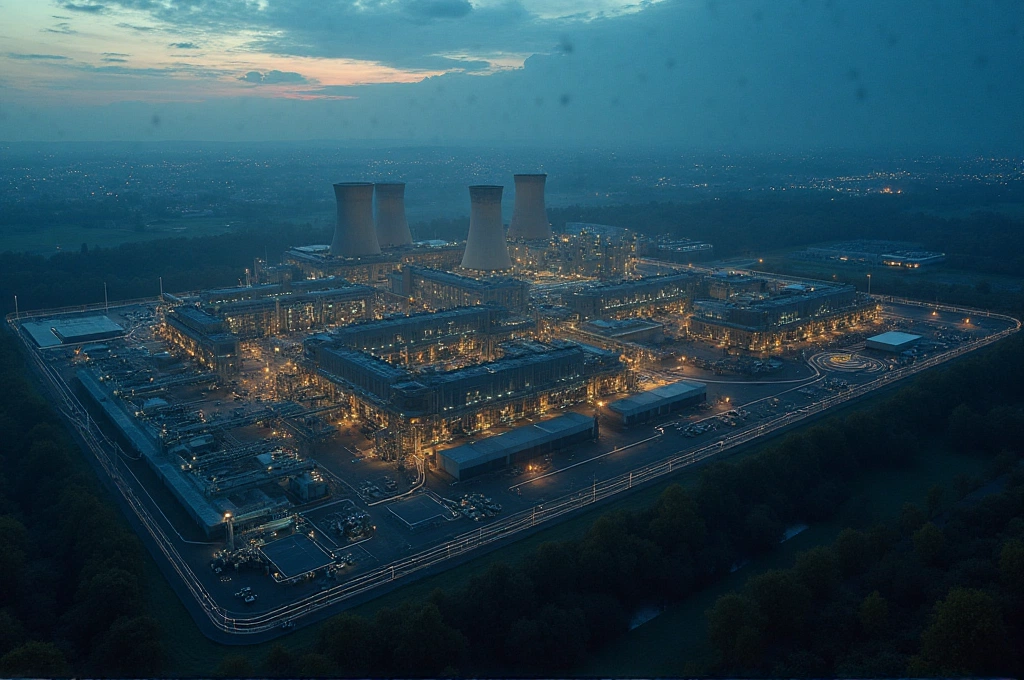
According to RedState, an Iran-linked cyber attack has successfully disabled a UK power plant, marking a significant escalation in state-sponsored infrastructure targeting. The attack demonstrates that adversaries possess both capability and willingness to directly compromise generation assets—not just periphery systems or distribution networks.
This is distinct from previous grid incidents. Power plants represent high-value, hardened targets. A successful intrusion into operational control systems suggests either: sophisticated zero-day exploitation, compromised credentials with privileged access, or inadequate network segmentation between IT and OT (operational technology) systems.
Why this matters: Grid operators in North America and allied nations must now assume that similar vulnerabilities may exist in their own infrastructure. The UK attack provides proof of concept that nation-state actors can move from reconnaissance to active disruption of generation capacity. This is not theoretical—it happened.
The incident also signals a shift in targeting doctrine. Rather than focusing on distribution infrastructure or substations (which are distributed and harder to coordinate), adversaries are testing direct access to centralized generation. Successful compromise of multiple plants simultaneously could create cascading supply shortages that outage management protocols weren't designed to handle.
What to watch: Monitor official statements from NERC (North American Electric Reliability Corporation), Department of Energy, and DHS CISA for any advisory updates or threat bulletins. These agencies typically issue guidance within 72-96 hours of confirmed foreign infrastructure attacks. Watch also for any disclosure of the attack vector—malware type, entry point, dwell time—which will indicate whether this was opportunistic or part of a long-term placement campaign.
The broader risk: If generation facilities can be reliably compromised, grid operators face a choice between accepting persistent vulnerability or undertaking costly segmentation and hardening that takes years to implement across legacy systems. Interim period exposes significant risk.
