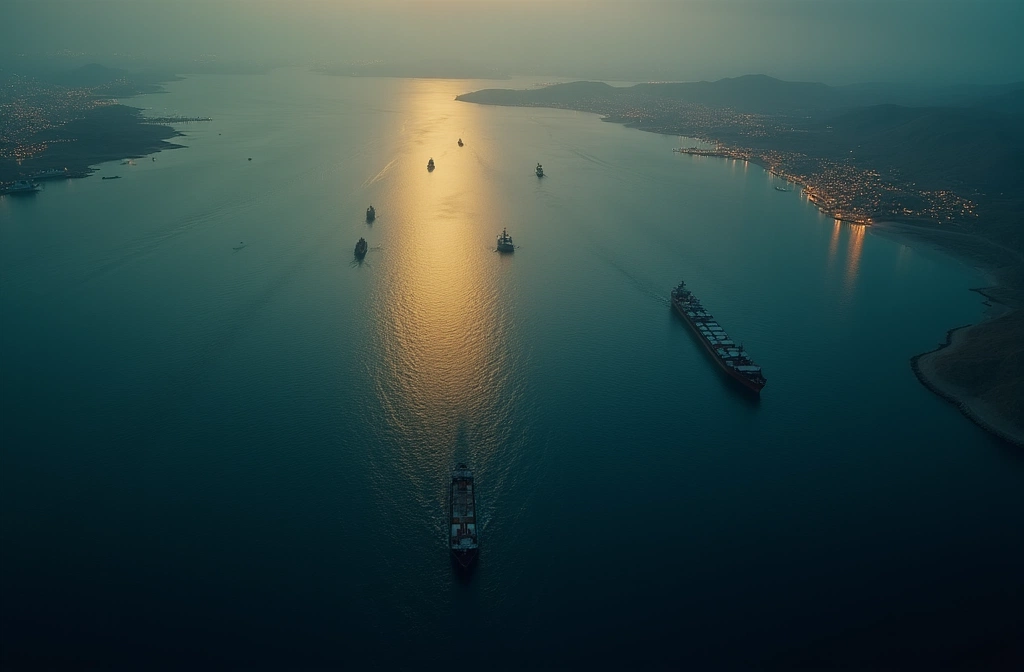
NBC News is reporting live developments on Iran's declaration that the Strait of Hormuz is 'completely open,' paired with a Trump administration statement that a U.S. blockade 'will remain in full force' until a peace deal is reached. The same coverage includes ongoing Israel-Lebanon ceasefire negotiations.
For preparedness analysts, this situation carries real operational weight. The Strait of Hormuz is a critical chokepoint for global energy supplies—roughly one-third of seaborne traded oil passes through it. Even posturing around its closure or opening can trigger immediate volatility in energy markets, which cascades into transportation costs, heating fuel availability, and electricity generation in regions dependent on petroleum-fired plants.
What matters here is the mismatch in messaging: Iran declares the waterway open while the U.S. simultaneously maintains blockade pressure as a negotiating tool. This kind of contradictory signaling creates uncertainty for shippers, traders, and logistics networks. Markets hate ambiguity, and oil futures typically spike on any credible threat to transit freedom—whether real or rhetorical.
The Israel-Lebanon ceasefire component, also covered in the NBC live blog, suggests broader regional negotiation architecture is active. However, a ceasefire in one theater does not necessarily stabilize energy markets or reduce the risk calculus around the Strait itself.
What to watch: Monitor oil price movements (WTI and Brent crude) as the first real-time indicator of market confidence in Strait access. If prices spike sharply or sustained volatility appears, it signals traders believe blockade risk is genuine. Watch also for insurance and shipping cost changes—Lloyd's of London and maritime insurers adjust premiums based on perceived chokepoint risk, and those premiums often precede major supply shocks.
This is not yet an active crisis, but it is a pressure point. The dynamics are fluid and tied to negotiation progress that NBC is tracking live.