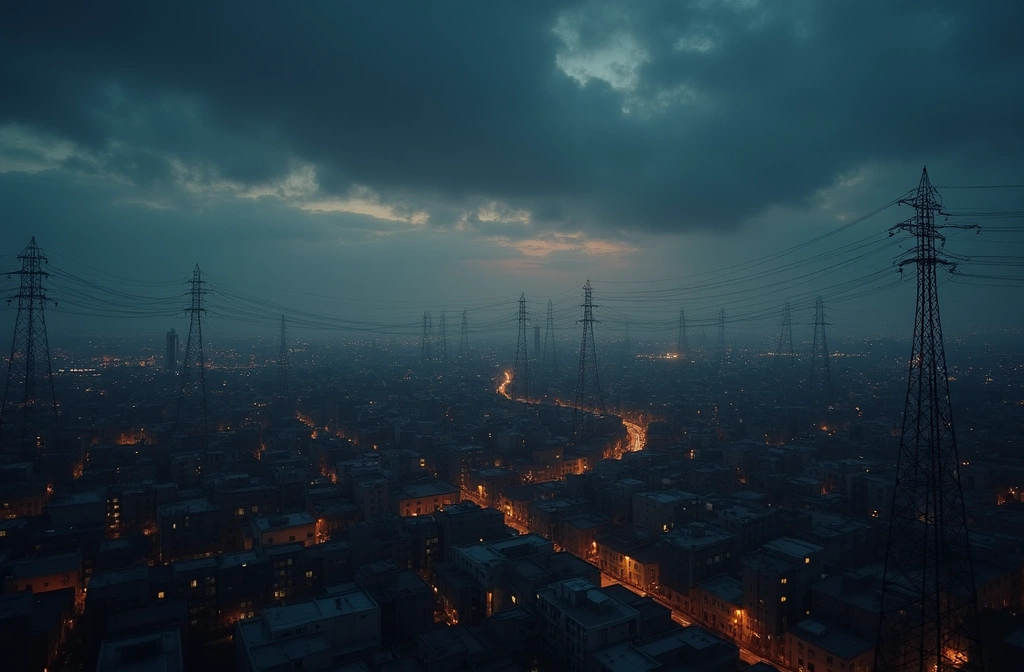
Here's what's on the table: Trump threatened large-scale destruction of Iran's civilian infrastructure—specifically power plants and bridges—unless Tehran meets his demands. A two-week ceasefire brokered by Pakistan is currently in place after Iran agreed to reopen the Strait of Hormuz, but Trump's threats remain active and conditional on a Tuesday night deadline.
Senator Chris Murphy has publicly warned that military personnel ordered to execute such strikes would face war crimes liability. The Atlantic notes that military commanders can and must refuse unlawful orders. Nuclear weapon use has been discussed across mainstream outlets, with The Newsweek and social media commentary raising the stakes significantly.
Why this matters to preppers: A coordinated strike on Iran's power generation infrastructure could trigger:
• Regional grid cascades affecting Middle Eastern energy markets • Global oil price spikes that ripple through supply chains • EMP-like effects from large transformer destruction (not nuclear EMP, but infrastructure collapse nonetheless) • Humanitarian crisis forcing mass migration and refugee pressure on surrounding nations • Potential retaliatory strikes targeting U.S. allies' critical infrastructure
This isn't abstract. Grid disruptions in one region create friction in others. If Iran's power system goes dark, Iranian military and civilian control systems degrade—unpredictable outcomes follow.
What to do NOW:
- Verify your household resilience: Confirm you have 30+ days of water, food, and medications stored. If regional conflict escalates, supply chains tighten fast.
- Monitor the deadline: The Tuesday night deal deadline is your trigger. If negotiations fail, expect immediate volatility in energy markets and geopolitical posturing. Start tracking official CENTCOM and State Department statements.
Sources: The New Republic, NPR, The Atlantic, Newsweek, CBC News.