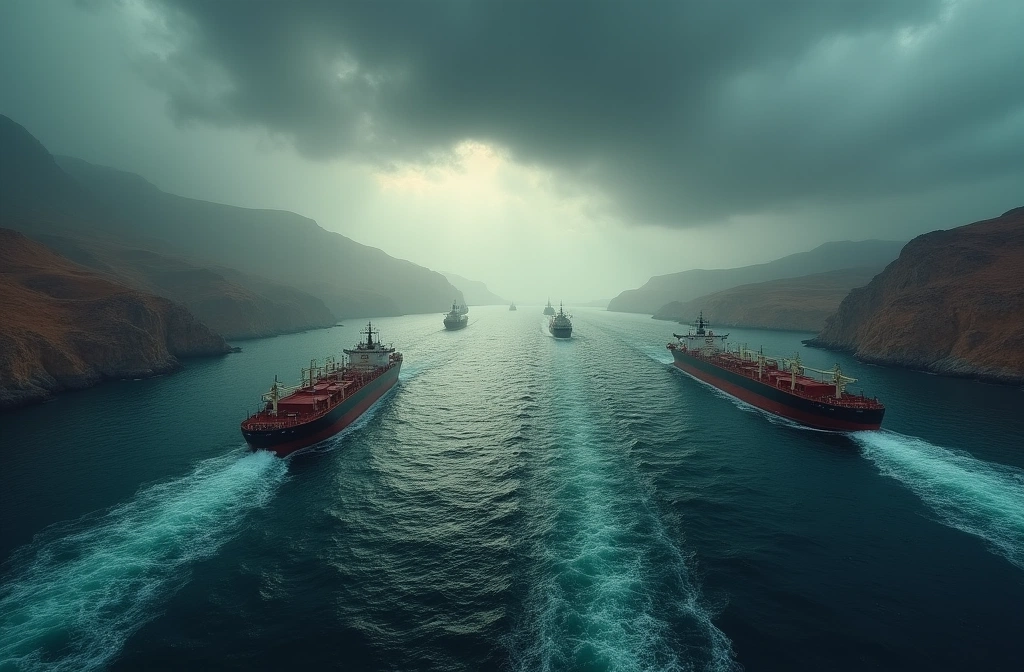
Here's what we're tracking: According to AP News, Iran has reopened the Strait of Hormuz but is threatening to close it again as the US maintains its blockade. The Philadelphia Inquirer reports that Iran has subsequently closed the strait again over the blockade and fired on ships transiting the corridor.
This matters because the Strait of Hormuz handles roughly one-fifth of the world's oil normally. According to the Inquirer, new attacks on the strait are threatening to deepen the global energy crisis and push the countries into renewed conflict.
Why this lands on the preparedness radar: The Strait is not just a geopolitical flashpoint—it's critical infrastructure for global energy supply. Sustained closure or repeated disruptions create cascading risk across multiple systems. Oil price volatility ripples through heating, transportation, fertilizer production, and electricity generation. Economies dependent on steady energy imports face immediate pressure; domestic energy markets face supply shocks that may take weeks or months to stabilize through alternative sourcing.
The pattern here—reopening followed by renewed closure—suggests instability rather than resolution. Each cycle of threat and counter-threat raises the operational tempo and reduces predictability for commercial shipping and energy markets.
What to watch: Monitor shipping traffic data and Platts crude benchmarks (Brent and WTI) for signs of sustained disruption pricing. If closure extends beyond days, expect measurable impact on fuel costs at the pump and heating oil availability in northern US markets by late April or early May. Watch for insurance premium spikes on tanker routes—that's the market signaling real risk, not media noise.
Historically, Strait disruptions have resolved within weeks, but each incident has stretched longer than the last. This emerging volatility warrants baseline awareness, not panic—but also not complacency. Energy-dependent systems (heating, vehicle fuel reserves, backup generator maintenance) should be in working order now, not during the next supply shock.
