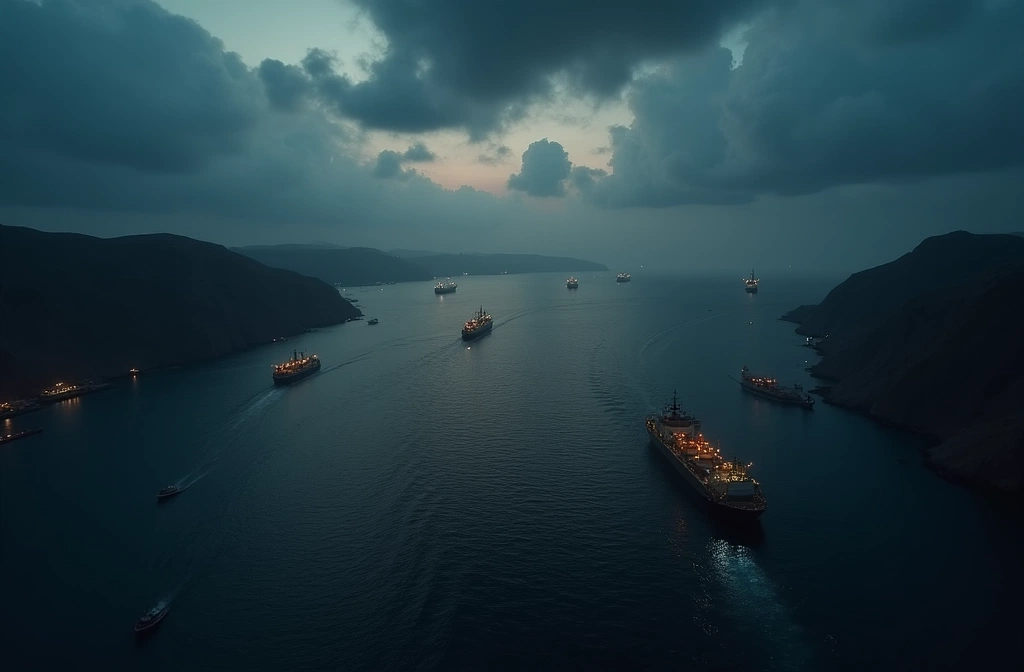
According to BBC reporting, Iran's military spokesman Mohammad Akraminia warned neighboring nations against complying with US sanctions and stated that vessels passing through the Strait of Hormuz would face "severe consequences" if they do not cooperate with Tehran first, as reported by IRNA news agency. Akraminia also claimed that Americans "will never be able to turn this vast expanse in the northern Indian Ocean into a real blockade."
Why this matters: The Strait of Hormuz is a critical global chokepoint—approximately one-third of seaborne traded oil passes through it. Any sustained disruption to transit through this waterway could cascade rapidly into energy markets, shipping logistics, and supply chain stability. Even threats create uncertainty that affects insurance premiums, routing decisions, and maritime commerce planning.
The language used—"severe consequences" tied to sanctions compliance—suggests Iran may be attempting to create its own counterblockade pressure on international shipping. This appears designed to test whether neighbors and international operators will defy US sanctions policy or prioritize Iranian demands.
What to watch: Monitor whether this remains rhetorical posturing or translates into actual interference with commercial vessel traffic. Watch for insurance market reactions, rerouting announcements by major shipping lines, and any statements from Gulf Cooperation Council nations about their shipping corridors. Track whether this triggers visible US Navy repositioning in the region—such movements would be widely reported and could indicate elevated risk assessment by defense planners.
Historical parallel: This echoes the 2019 Strait of Hormuz tensions when Iran seized tankers and threatened shipping, yet normal traffic resumed after de-escalation. However, preparedness-aware readers should note that even temporary disruptions accelerated fuel prices and exposed supply chain fragility. Current geopolitical context differs—assess based on observable actions, not rhetoric alone.
