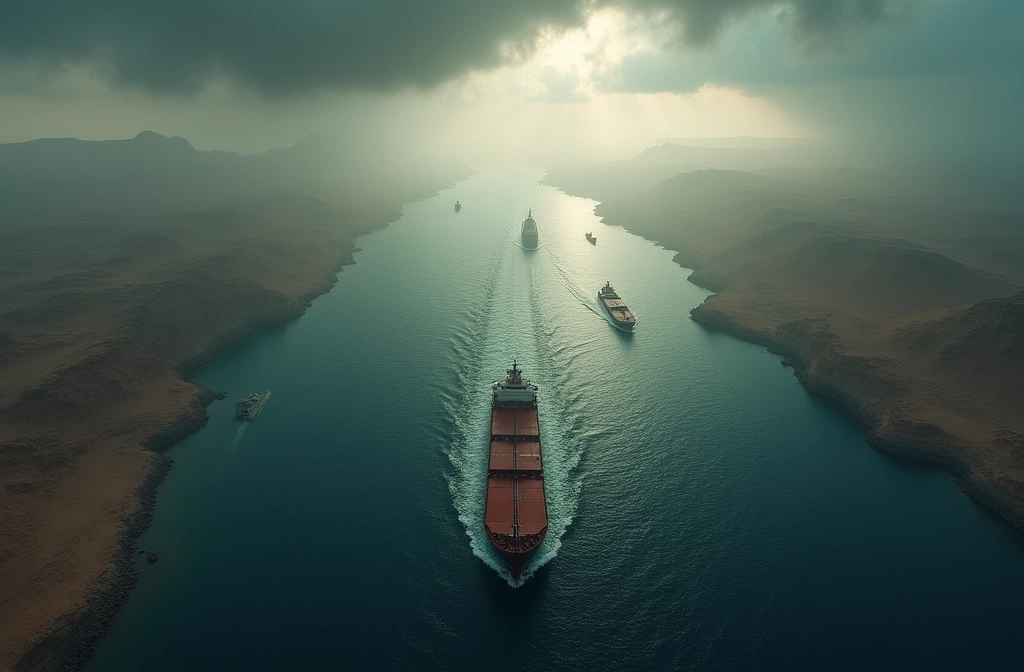
According to BBC reporting, Iran's military spokesman Mohammad Akraminia warned neighboring countries against complying with US sanctions, stating that vessels passing through the Strait of Hormuz would face "severe consequences" if they did not cooperate with Tehran first. Akraminia added that Americans "will never be able to turn this vast expanse in the northern Indian Ocean into a real blockade," according to Iran's IRNA news agency.
This matters because the Strait of Hormuz remains one of the world's most strategically vital shipping routes—roughly one-third of global seaborne traded oil transits through it. Threats to free passage directly affect global energy prices, supply chains, and port operations from Singapore to Rotterdam.
The language suggests Iran may be positioning itself to impose its own enforcement mechanisms on shipping—a posture that could create operational friction for commercial vessels, insurers, and port authorities dependent on predictable transit. The stated threat of "severe consequences" is vague but presents real risk to vessels caught in disputed compliance demands.
What this does NOT indicate: BBC's single report does not provide evidence of active attacks on shipping at this moment, nor does it establish Tehran's specific operational capabilities or timeline. The rhetoric may be posturing, deterrence, or precursor positioning—the distinction matters for planning.
What to watch: Monitor maritime traffic data through the Strait (AIS tracking), insurance premium spikes for regional transits, and statements from major shipping lines about route changes or security protocols. Port operators in the Gulf should track any formal advisories from their own governments or the International Maritime Organization (IMO). These indicators will show whether the threat is rhetorical or operationalizing.
