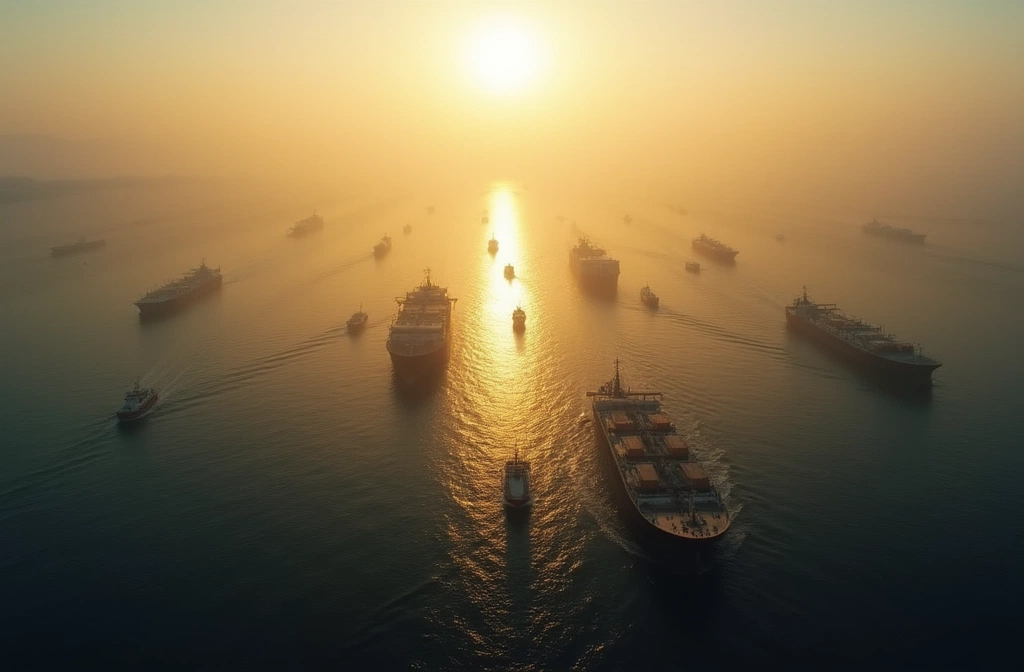
Here's the situation as reported: The Independent is covering ongoing Iran-US diplomatic engagement, with Trump saying talks will continue through the weekend. The substantive development is Iranian Foreign Minister Araghchi's declaration that commercial vessel passage through the Strait of Hormuz—one of the world's most critical energy chokepoints—is declared 'completely open for the remaining period of ceasefire.'
Why this matters operationally: The Strait of Hormuz handles roughly one-third of seaborne traded oil globally. Any disruption to transit creates immediate pressure on energy markets, which ripples through grid stability and fuel availability. A declared opening during active negotiations suggests de-escalation posturing, but the qualifier 'for the remaining period of ceasefire' introduces time-bound language—a signal that status can change if talks fail.
What you're seeing: Both parties appear to be managing the narrative around commercial trade continuity while negotiations proceed. Tehran denies it will hand over uranium, per The Independent's reporting, indicating a key sticking point remains unresolved.
What to watch next: Monitor whether this ceasefire holds through the stated weekend talks window. Watch for any statements from either party about Hormuz access after negotiations conclude—either a deal extension or a reversion to previous stances. Track global crude prices and tanker transit reports from maritime monitoring services; these move faster than official announcements and signal confidence shifts in real time. If either party begins positioning military assets near the Strait or issues new restrictions on passage, that's your signal escalation pressure is building again.
This remains a low-severity emerging situation with active diplomatic channels. Preparedness value: if you depend on fuel availability or energy pricing for operations, keep awareness of Hormuz access status—it's a high-impact chokepoint with direct consequences for supply chains.
