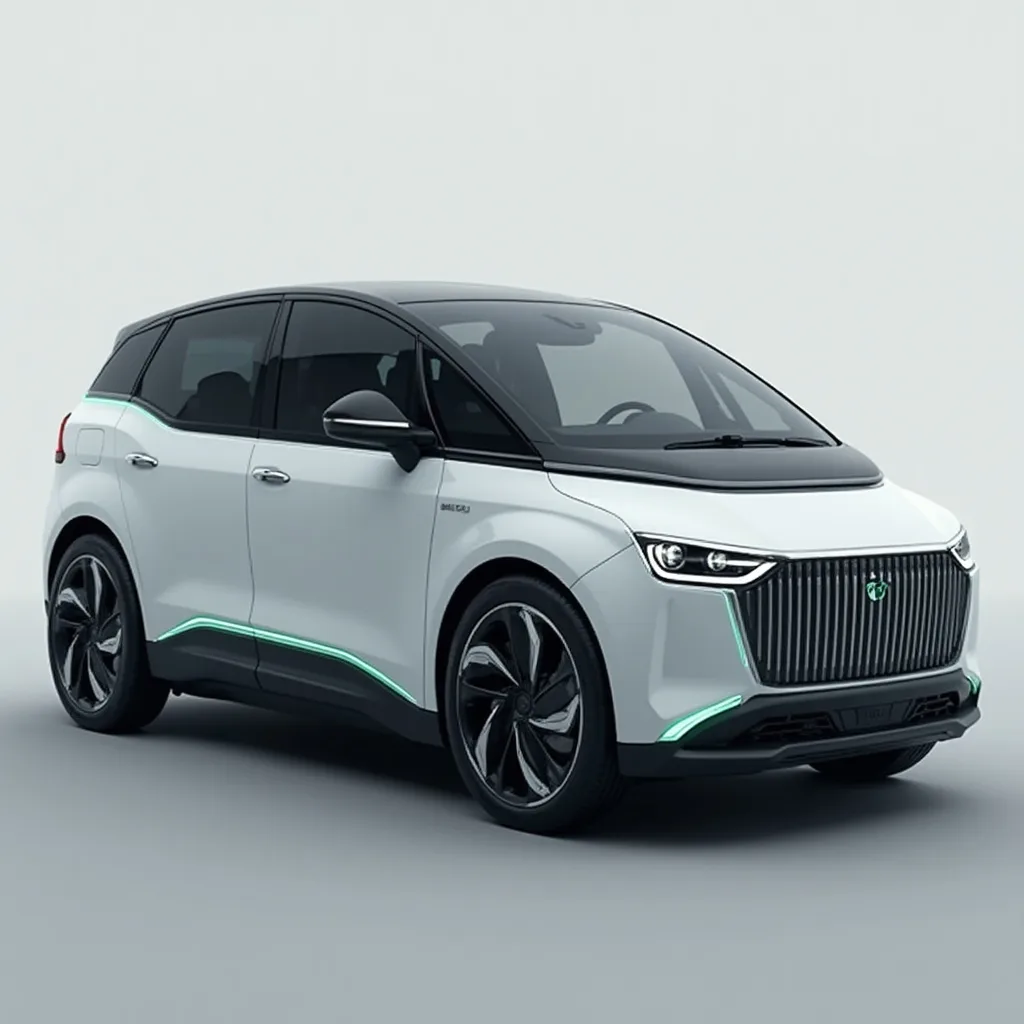
Here's what's happening: The Iran conflict is spiking global oil prices, pushing consumers toward electric vehicles at unprecedented speed. Bloomberg and TIME both report a surge in EV interest across the US, Europe, Malaysia, and beyond. Sounds good on paper—until you see the gap.
The problem is infrastructure. Despite rapid buildout of charging networks, the US has more EVs per charger than any other developed nation. That ratio is about to get worse as more people flee gas dependency.
Why this matters to preppers: The grid was already stressed before this demand spike. Mass EV charging—especially during peak hours—creates concentrated load on local substations and transmission lines. During a geopolitical crisis or cyberattack, this becomes a critical vulnerability. Charging stations depend on reliable power, redundant communications, and distributed grid stability. A widespread blackout cascades differently when millions of vehicles are drawing power simultaneously.
Second layer: EV owners are now locked into charging infrastructure they don't own. A grid failure means stranded vehicles with dead batteries—no gas backup. If conflict escalates and fuel supplies tighten further, you're looking at transportation paralysis.
Third layer: Cybersecurity. Charging networks are increasingly connected, monitored remotely, and integrated with smart grid systems. More nodes means more attack surface (Bloomberg and TIME sources don't address this, but the technical reality is unavoidable).
What to do NOW:
If you own an EV: Don't assume the grid will always be there. Install a portable power bank (5-10kWh minimum), maintain a fuel reserve if you have a backup vehicle, and keep your battery charged to 80%+ during geopolitical tensions. Know your charging network's offline protocols.
If you're considering an EV: Evaluate your actual grid reliability in your area. Check NERC blackout maps. If you're in a stressed region, hybrid or traditional fuel vehicles remain the prudent choice until charging infrastructure matures and grid hardening catches up.
The conflict isn't over. Neither is the demand surge it's creating. Your mobility depends on infrastructure that's still playing catch-up.