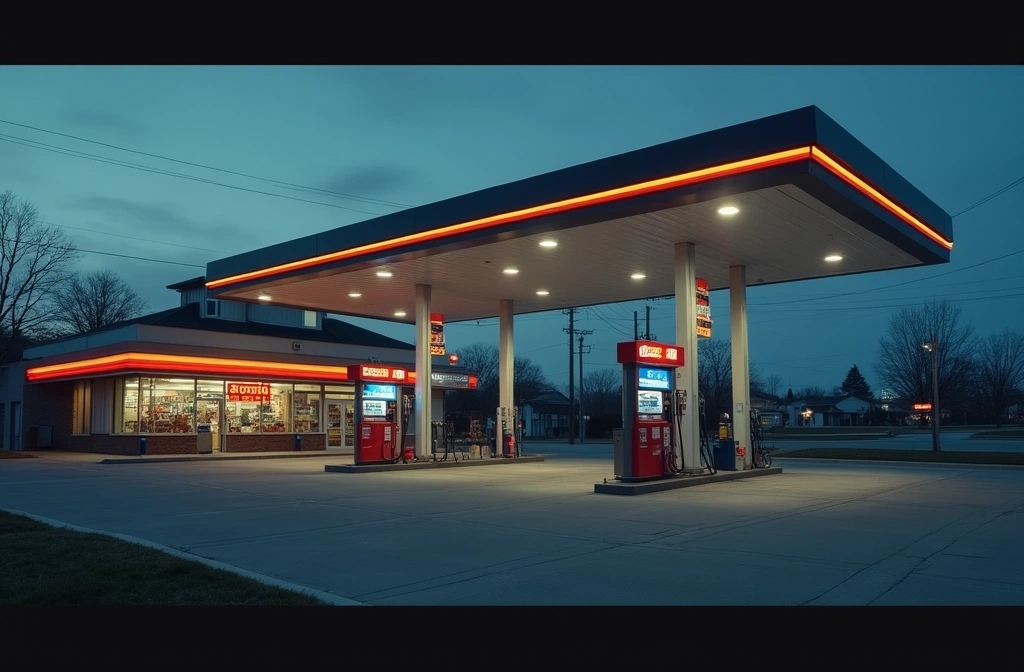
According to analysis from the Foundation for Defense of Democracies (FDD), U.S. officials suspect Iranian hackers are responsible for breaching gas station pump displays across several states. These intrusions are assessed as part of a longer-term Iranian campaign targeting U.S. critical infrastructure.
Why this matters: Gas station networks, while seemingly low-profile, represent a node in broader fuel distribution systems. Pump display compromises alone may appear cosmetic, but they demonstrate proof-of-concept access to networked infrastructure at scale. The fact that officials have publicly attributed these breaches to a state actor—rather than dismissing them as isolated incidents—indicates concern about the pattern and intent.
This breach class differs from ransomware extortion campaigns. The FDD assessment frames these incursions as part of a coordinated, long-term effort, which suggests reconnaissance, persistence, and systematic mapping of vulnerabilities rather than opportunistic exploitation.
What to watch: Monitor whether subsequent disclosures specify which states were affected, what systems were actually compromised (display software, payment processors, inventory management), and whether similar access has been found in other fuel infrastructure—truck stops, distribution hubs, or refinery networks. Attribution clarity will matter; if U.S. officials publish technical indicators or link these breaches to known Iranian cyber units, that raises confidence in the threat assessment.
For preparedness readers: This event reinforces a baseline reality—critical infrastructure segments remain inadequately segmented and updated. If state actors can access gas pump displays, it signals that supply chain security and air-gap discipline are inconsistent across the sector. This doesn't mean imminent grid collapse, but it does validate the rationale for maintaining fuel reserves and understanding local supply vulnerabilities now, before pressure escalates further.
The broader implication: If Iranian operations are systematic and long-term, as FDD's analysis suggests, expect this campaign to continue evolving—potentially toward higher-value targets or coordinated strikes across multiple systems simultaneously.
