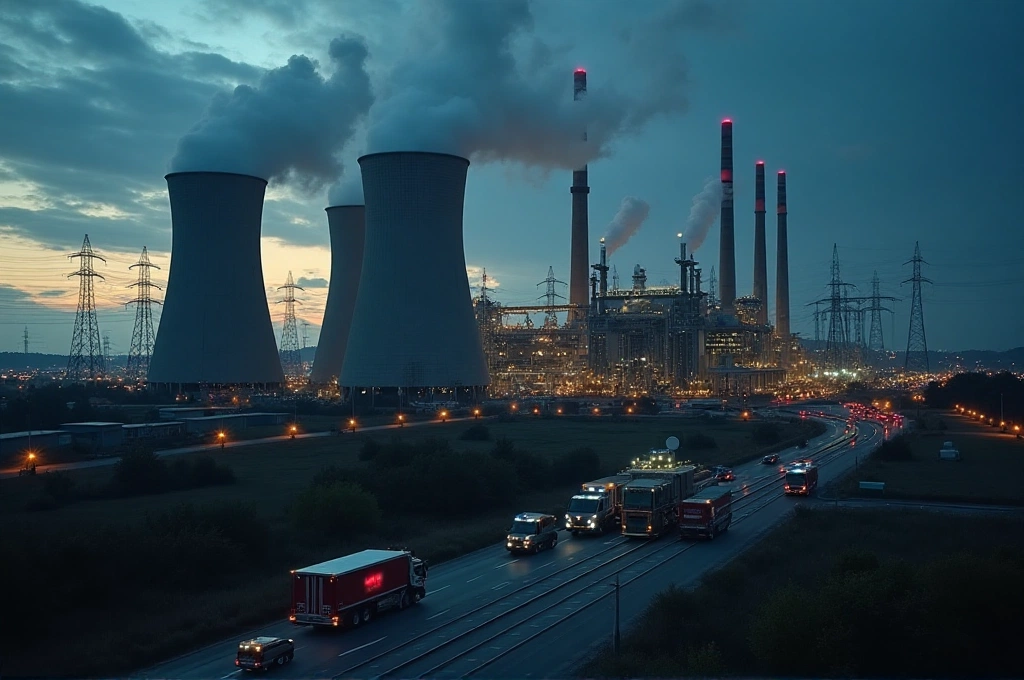
According to The Independent, Iranian hackers carried out an unprecedented cyber attack on UK power infrastructure, forcing a generator to shut down for four days. The specifics of attack vector, scope of affected systems, and whether the shutdown was voluntary or forced remain unclear from available reporting.
What matters here: This signal—however limited in current detail—fits a documented pattern of state-sponsored cyber reconnaissance and attack capability targeting grid assets. The UK National Grid serves approximately 28 million customers. A single generator shutdown lasting days is manageable in a diversified grid; but the attack's success demonstrates that air-gapped or protected systems may have been compromised or bypassed.
The four-day duration is the critical detail. It suggests either:
- Operators required time to verify system integrity before restart (defensive caution)
- Attackers maintained persistence that took time to eradicate (offensive concern)
- Physical safety protocols mandated extended shutdown procedures
None of these possibilities is reassuring for grid resilience.
Systemic risk angle: Western power grids operate on thin margins. Coordinated attacks on multiple generation or transmission points during peak demand could cascade faster than operators can respond. This incident suggests attackers can reach deeper into UK infrastructure than previously demonstrated publicly. The question isn't whether they can do it again—it's whether they're mapping the grid for a larger operation.
What to monitor: Watch for official UK government or National Grid statements detailing attack attribution, methodology, or affected infrastructure scope. Absence of detail may indicate either damage assessment still underway or deliberate information security. Either way, silence typically lasts 2-4 weeks before regulatory filings or parliamentary questions force disclosure.
This is intelligence-gathering tier, not action-trigger tier. But it's worth adding to your grid-risk model and reviewing your household backup power readiness—not because UK attacks automatically threaten your region, but because this demonstrates the attack surface is real and accessible.
