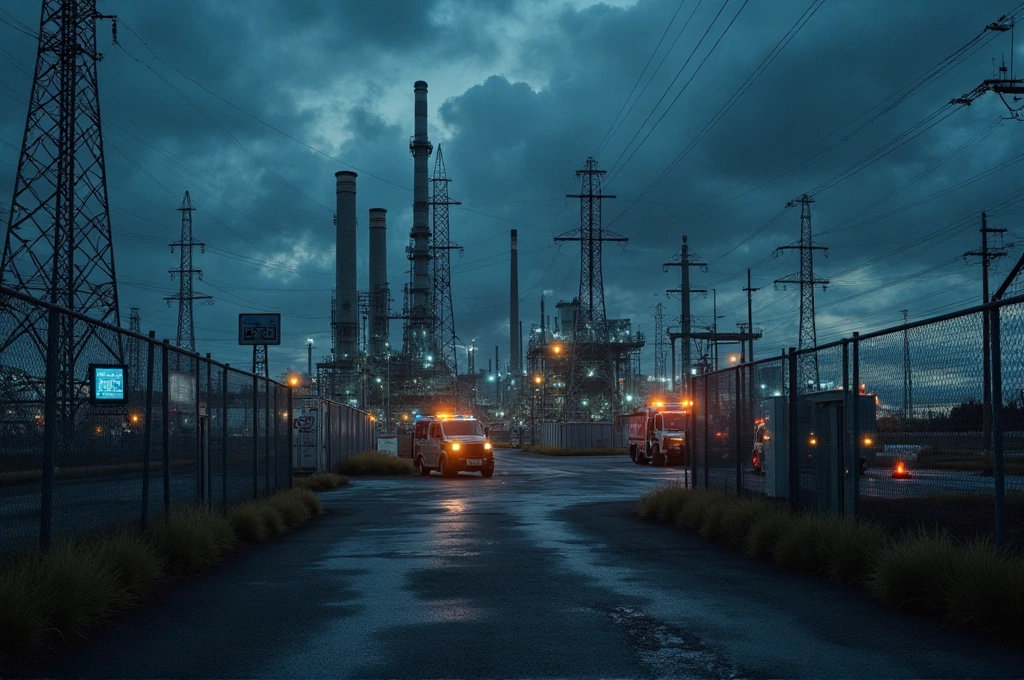
On an unspecified date in July 2026, Iran-linked hackers executed a cyber attack that forced an unnamed British power plant into complete shutdown, according to reporting from the BBC, Daily Mail, and The Guardian. Staff required four days to restore systems to operational status.
The UK government publicly stated that at no point during the attack was the broader energy system at risk, according to BBC reporting. However, The Guardian attributes the incident to what appears to be retaliation by Tehran related to UK authorization for US military base usage.
Why this matters: A four-day facility shutdown demonstrates that Iran-linked actors possess the capability to achieve sustained operational impact against critical energy infrastructure. This is not a brief intrusion or data exfiltration—this is destructive, hands-on-keyboard control that disabled an entire plant. The fact that the incident occurred in July but surfaced publicly only in late August suggests either delayed detection or delayed disclosure, both of which signal potential visibility gaps in incident response or reporting chains.
The constraint of the attack to a single unnamed facility—rather than cascading across multiple grid assets—may indicate either defender success in compartmentalizing damage or attacker intent to target specific infrastructure rather than maximize systemic disruption. The distinction matters for understanding adversary capability versus strategy.
What to watch: Monitor UK critical infrastructure sector announcements for new security requirements or audit findings stemming from this incident. Escalation indicators would include public attribution of additional attacks, sector-wide alerts from British energy regulators, or statements from Iranian officials suggesting broader targeting intent. Watch also for similar attack patterns reported against allied nations' infrastructure, which would indicate a coordinated campaign versus a one-off operation.
