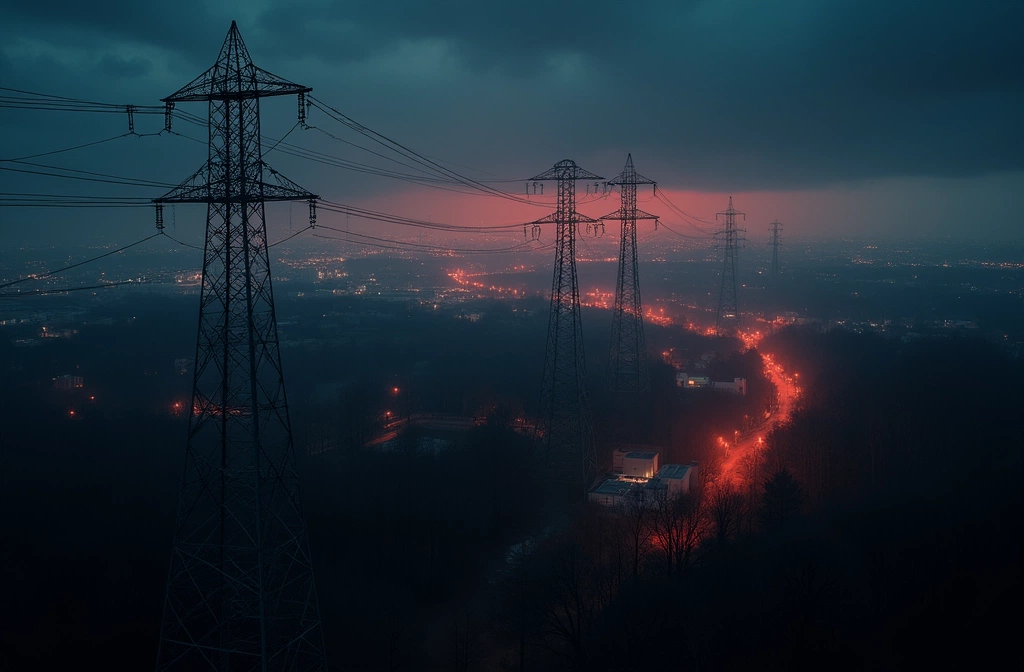
According to reporting by Digaunto Chatterjee in MassLive, ISO-NE—the independent system operator managing the electric grid for northeastern states—is flagging a capacity shortfall that could result in rolling blackouts if the region does not bring additional energy online.
The core issue: demand is outpacing available supply. While the article notes that recent grid stress periods have occurred without visible disruption to consumers, the mechanics behind those narrow margins are significant. ISO-NE is the arbiter of grid stability across the region, and rotating outages represent the operator's last resort to prevent a full-system collapse.
Why this matters to preparedness: Rolling blackouts are not random. They're managed, rotating interruptions designed to shed load in stages before cascading failure occurs. For infrastructure-dependent systems—hospitals, water treatment, data centers, fuel stations—even planned outages create operational stress. The warning from ISO-NE suggests the region is operating closer to its margins than grid operators prefer, which narrows the buffer for unexpected disruptions (weather events, equipment failures, demand spikes).
The underlying systemic issue is capacity lag. The Northeast has been retiring generation assets faster than new capacity has been added. Renewable sources are intermittent by nature. The grid operator's public signaling typically reflects real constraint—operators don't issue warnings casually; it signals to policymakers and industry that investment decisions matter.
What to watch: Monitor whether new generation capacity announcements follow from state and federal actors, or whether demand-side interventions (efficiency mandates, demand response programs) accelerate. If ISO-NE continues issuing similar warnings through peak seasons without corresponding infrastructure investment, the frequency of near-miss events and actual blackouts will likely increase.
For individuals in the Northeast: this is a signal to baseline your home energy resilience—backup power, water storage, and communication alternatives—not out of panic, but because your grid operator is publicly indicating tighter margins ahead.
