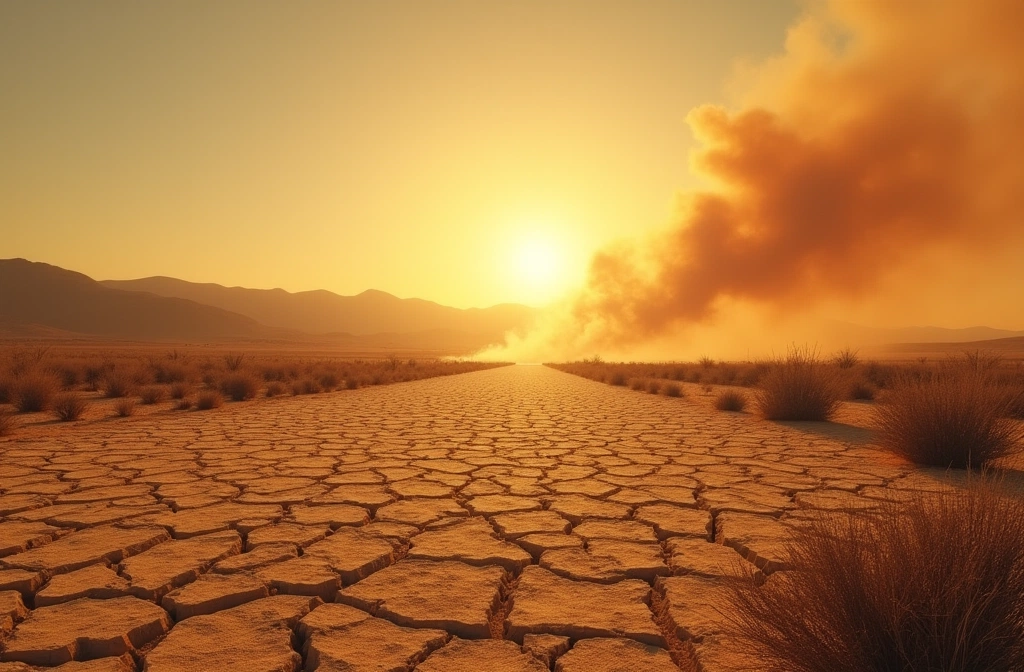
According to News4JAX Meteorologist Katie Garner, Jacksonville faces worsening drought conditions classified as exceptional, paired with escalating wildfire risk. The primary drivers are high winds and limited rainfall—both reducing fuel moisture and expanding fire spread potential across the region.
Why this matters: Exceptional drought conditions directly threaten water infrastructure capacity, irrigation systems, and municipal supply chains. Simultaneous wildfire risk creates dual pressure: vegetation becomes tinder-dry while wind patterns accelerate fire propagation. Air quality degradation signals particulate loading that can affect respiratory systems, HVAC filters, and visibility during evacuation scenarios. These conditions also stress grid reliability if wildfire approaches transmission corridors or generation facilities.
For Jacksonville specifically, this combination suggests cascading pressure on emergency response resources. Firefighting water demands spike during drought precisely when supply is constrained. Evacuation corridors may experience air quality that complicates visibility and respiratory function for vulnerable populations.
What to watch: Monitor whether rainfall patterns break the drought cycle or persist through peak fire season. Track whether wind events continue at intensity levels that accelerate fire spread. Watch for official drought classifications to upgrade further—progression from exceptional to worse categories would indicate intensifying resource scarcity.
Historically, exceptional drought conditions in fire-prone regions correlate with extended fire seasons and larger incident footprints. The 2000 fire season in the Southwest and 2011 Texas drought both demonstrated how drought + wind create conditions where resource exhaustion becomes the limiting factor in response, not fire size. Jacksonville's preparedness posture should assume personnel and equipment could face sustained demand rather than isolated incidents.
