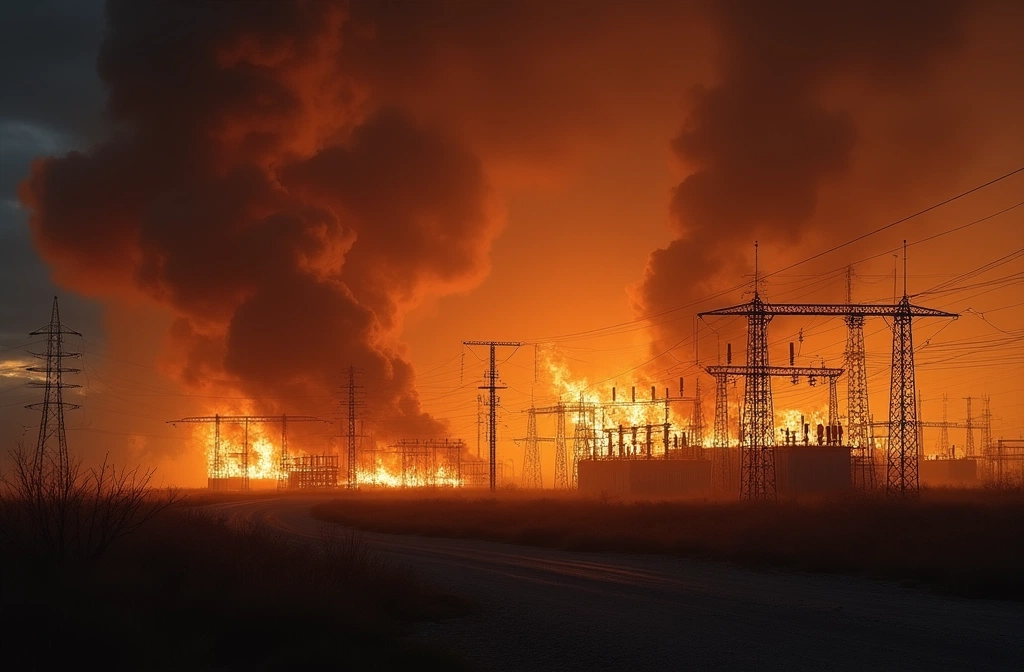
According to ABC News, Jamaica experienced a rare islandwide blackout beginning just after 9 p.m. Friday that left all utility customers without power overnight. Jamaica Public Service Company, the nation's sole energy supplier, confirmed the outage and stated that authorities were still investigating root causes, though company president Hugh Grant indicated the blackout was likely related to lightning that struck near major substations and other grid infrastructure.
This event is significant for infrastructure preparedness analysts for three reasons:
First, it demonstrates the vulnerability inherent in single-supplier grid architecture. Jamaica has no redundant power generation or distribution systems—when one company's infrastructure fails, the entire nation goes dark. This concentration of critical infrastructure creates asymmetric risk: a localized weather event becomes a nationwide emergency with no failover.
Second, weather-triggered grid failures remain among the most difficult to predict and prevent. Lightning near substations is a recurring threat in tropical and subtropical regions, and protecting against cascading failures from atmospheric electrical discharge is an ongoing engineering challenge. The fact that a rare but not unprecedented natural event caused total grid collapse suggests the grid's resilience margin may be narrower than publicly stated.
Third, the event occurred in a densely populated island nation with limited geographic redundancy. Unlike continental grids that can route power around damage, island systems must restore from internal resources or external generation—both constrained by geography and capacity.
What to watch: Monitor how quickly Jamaica Public Service restores service and whether the incident triggers infrastructure investment announcements. Restoration timelines and post-event grid hardening decisions will indicate whether similar single-point failures remain probable in other isolated or concentrated grid systems.
