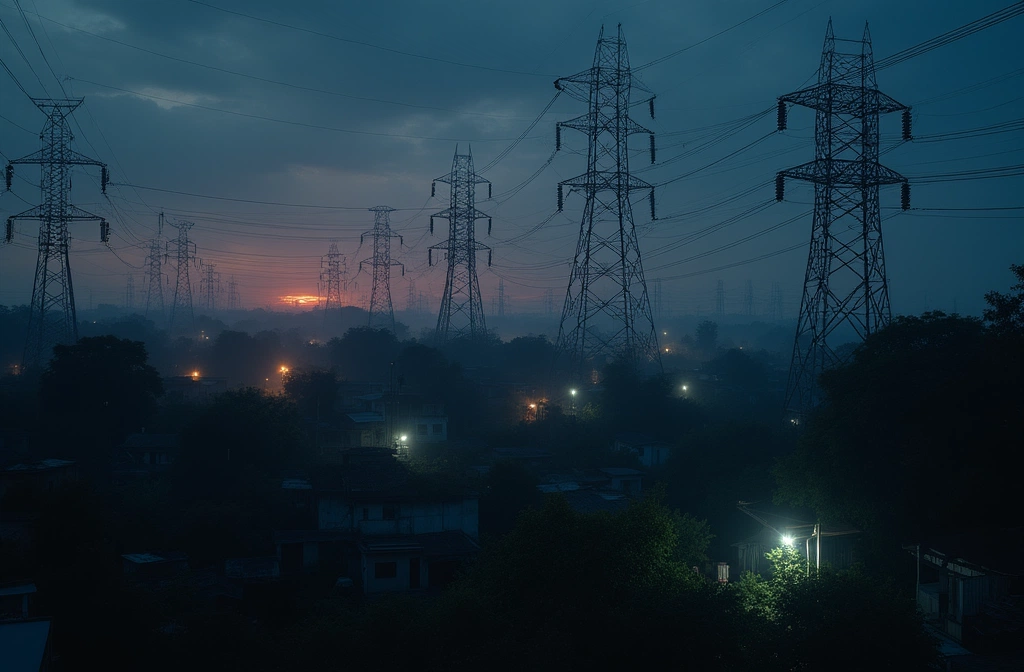
PLN (Perusahaan Listrik Negara), Indonesia's primary power utility, implemented rolling blackouts across Java between June 19–20, 2026, according to reporting from Tempo.co English. The outages affected multiple zones across the island, which hosts roughly half of Indonesia's 270 million population and serves as the economic core of the nation.
While Tempo.co English covered the event, the publicly available reporting does not specify the root cause—whether demand-supply mismatch, generation failure, transmission constraints, or maintenance-related. This absence of clear attribution is itself significant: it suggests either ongoing investigation or communication gaps typical of grid stress events in developing infrastructure environments.
Java's power grid operates at persistent margin. The island depends on a mix of coal, gas, and hydroelectric generation, with transmission bottlenecks between major load centers. Rolling outages are a load-shedding mechanism—a controlled response to prevent cascading blackout. Their activation indicates PLN faced real-time supply deficit, not routine maintenance.
For preparedness-aware observers, this matters on two levels:
Infrastructure Risk: Java blackouts ripple across supply chains, data center operations, and telecommunications. A 24–48 hour outage window can degrade regional logistics and disrupt digital services across Southeast Asia's second-largest economy.
Pattern Recognition: Rolling outages in major Asian grids are increasing. They signal aging infrastructure, demand growth outpacing generation capacity, and climate stress on hydroelectric supply. This is not unique to Indonesia—similar events have occurred in India, Pakistan, and the Philippines in recent years.
What to Watch: Monitor whether PLN issues public root-cause analysis. If supply-side failure (generation or transmission) rather than demand-driven, subsequent events may occur with less warning. If climate-related (drought impacting hydro), expect seasonal recurrence during dry periods.
