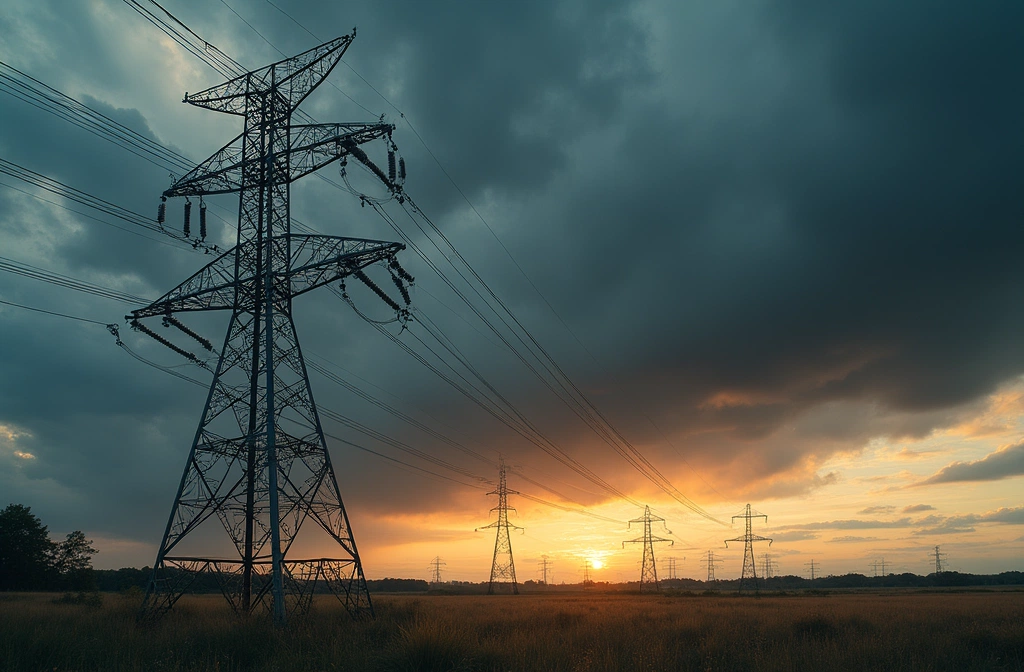
According to reporting from The Hearty Soul, multiple U.S. states face elevated blackout risk in July driven by a specific grid vulnerability: transmission line tripping that transfers power flow to remaining lines, potentially causing overloads and cascading failures.
The mechanism is straightforward and self-reinforcing. When one transmission line trips offline—whether due to maintenance, weather, or other forced outages—the power it carried redistributes to adjacent lines. Under peak demand conditions, this redistribution can overload those remaining lines, forcing additional unplanned outages. The analysis notes that insufficient grid inertia compounds this risk: when transient imbalances occur, the grid lacks the rotational stability to absorb them, potentially destabilizing the entire regional system and triggering a catastrophic blackout.
Why this matters now: July represents peak electricity demand across much of the continental U.S., coinciding with summer cooling loads and traditional maintenance windows. The confluence of forced outages at exactly the wrong operational moment—when grids are already stressed—creates the conditions for cascade failure rather than isolated, manageable outages.
This isn't theoretical. Cascading failures have destabilized regional grids before. The vulnerability described—grid inertia insufficiency and transmission line concentration—reflects documented structural weaknesses in aging North American infrastructure.
What to watch: Monitor your region's grid operator communications (NERC, regional ISO/RTO) for transmission maintenance schedules and demand forecasts heading into July. Unusual maintenance clustering or repeated line trips in your area are early indicators of stress. Grid status dashboards are publicly available through most regional operators.
Take one proportional step now: Audit your backup power capacity—battery backup for critical devices, fuel supply for any generators, and water storage (pumped supply often fails during extended outages). Document which circuits in your home support essential systems and practice running on backup power for a few hours. This isn't emergency-level action; it's baseline preparedness for infrastructure-dependent regions during high-risk periods.
