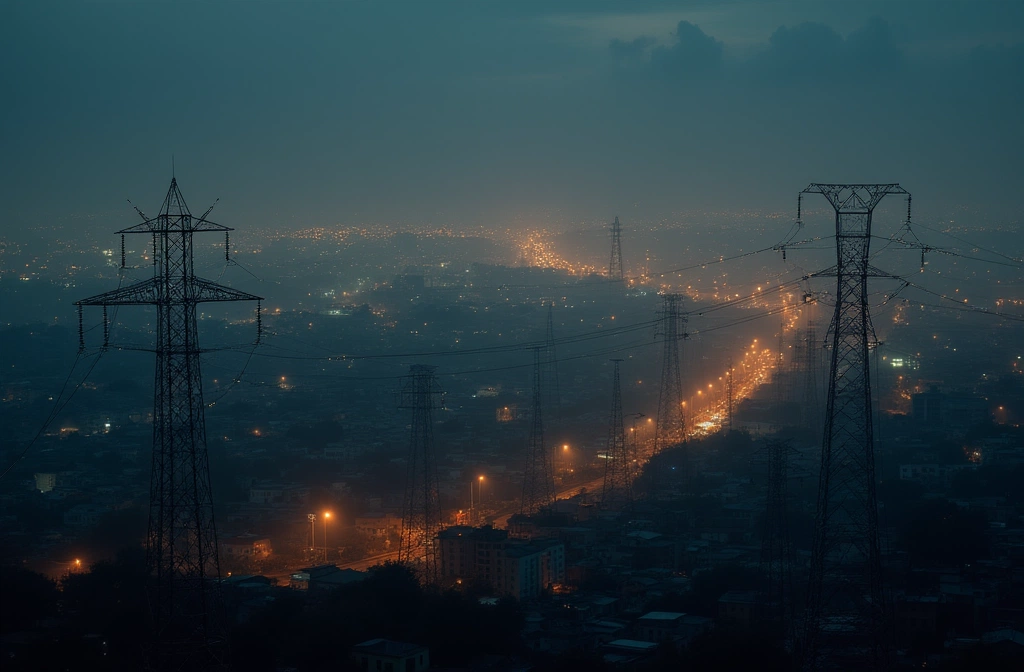
According to Daily Post Nigeria, Ikeja Electric Plc has attributed persistent power outages affecting Lagos to a reduction in electricity allocation from Nigeria's national grid. The distributor did not specify the magnitude of the allocation cut, timeline for restoration, or underlying cause of the grid-level reduction.
Why this matters: Lagos generates roughly 30% of Nigeria's GDP and hosts Africa's largest financial market. Power instability cascades quickly—affecting hospitals, data centers, water treatment, fuel distribution, and telecommunications backbone infrastructure. A grid-constrained allocation suggests either generation capacity shortfall upstream, transmission losses, or prioritization decisions at the national level.
The distinction is critical. If generation is failing, the problem scales nationally. If transmission is degraded, regional impacts are possible. If allocation is deliberate, state-level demand management may follow, signaling broader systemic stress.
What to watch: Monitor whether other major distributors (AEDC, IKEDC, BENIN) report similar allocation cuts. Watch for frequency of outage announcements and whether Ikeja Electric provides load-shedding schedules (rotating blackouts indicate managed scarcity). Track Lagos water authority statements—pump stations fail first when power becomes intermittent. If fuel shortages or forex constraints are reported by Nigerian energy officials, that indicates upstream generation problems, not distribution issues.
Historical context: Lagos endured rolling blackouts during Nigeria's 2015 generation crisis, when grid capacity fell below 3GW. Recovery took years and required significant capex. Current signals are early-stage, but grid-level allocation cuts are structural indicators—not temporary glitches. They suggest demand outpacing reliable supply, which doesn't resolve quickly without investment or demand destruction.
For Lagos-based readers and supply chain operators: diversified backup power (diesel, solar, battery) remains essential. For regional observers: watch this as a barometer of West African energy stability and potential secondary effects on trade, fintech operations, and regional supply chains.
