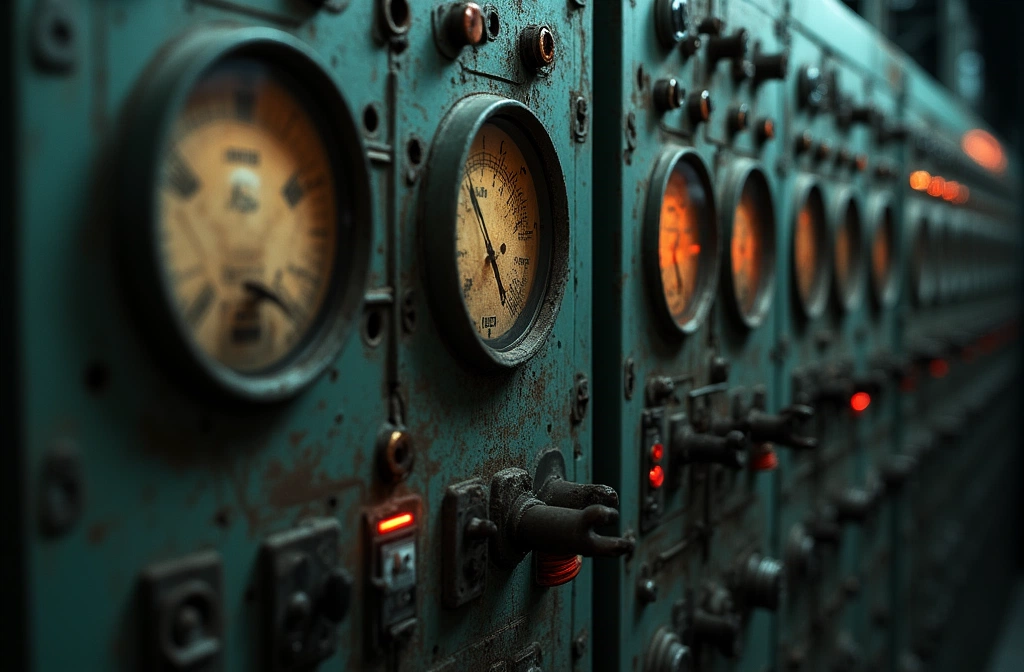
According to Automation World's expert roundtable on legacy SCADA security, the industrial control systems that manage power grids, water treatment, and manufacturing remain a significant vulnerability vector. The piece frames SCADA modernization not as a future priority but as an active infrastructure challenge requiring immediate industry attention.
Why this matters: SCADA systems—Supervisory Control and Data Acquisition platforms—often run on decades-old hardware and software. Many were deployed in eras before cybersecurity was a design consideration. They frequently lack encryption, robust authentication, and intrusion detection. Worse, many operate on networks that have since become interconnected with IT systems, reducing air-gap protections that once provided passive defense.
The experts quoted in Automation World appear focused on practical remediation: network segmentation, monitoring upgrades, and staged modernization rather than "rip and replace" approaches that many facilities cannot afford. This reflects the real operational constraint—critical infrastructure cannot simply go offline for upgrades.
The timing and framing matter. This isn't speculative threat analysis; it's an industry publication bringing experts together to address a known, persistent problem. The fact that this conversation is happening publicly suggests either the problem has reached a tipping point of visibility, or industry bodies are attempting to drive standardization before a high-profile incident forces reactive regulation.
For preparedness purposes, this signals continued institutional recognition that legacy infrastructure remains a cascading-failure risk. Energy sector resilience depends on these systems. Water treatment facilities depend on these systems. If you're tracking infrastructure risk vectors, SCADA modernization gaps should remain on your watch list—not because an attack is imminent, but because the attack surface remains unchanged while threat actors become more sophisticated.
