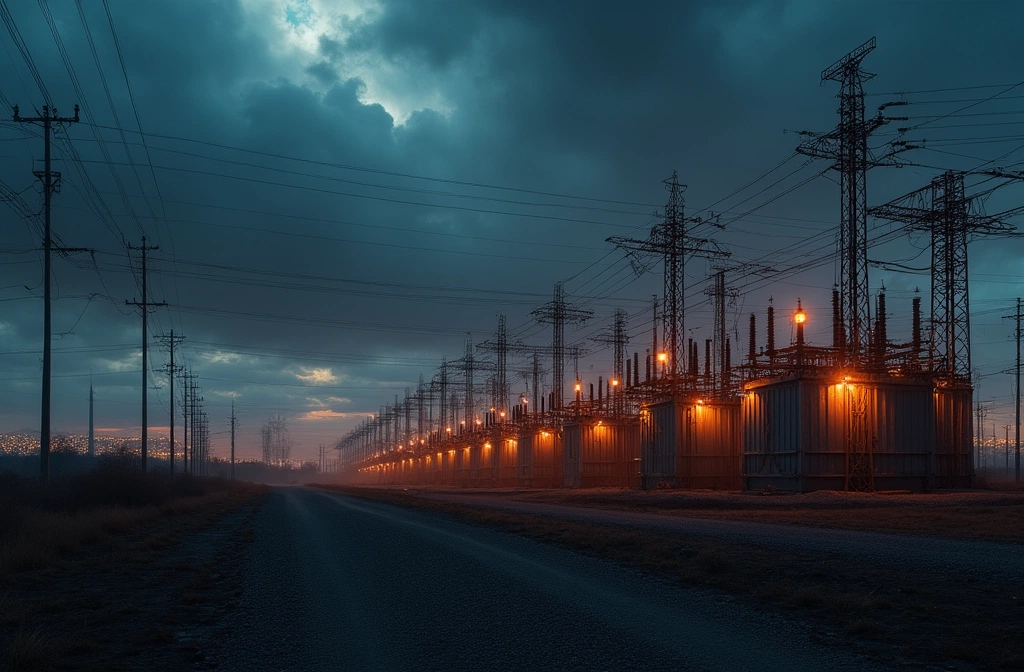
According to VailDaily.com, approximately 27,000 Holy Cross Energy customers experienced a 14-hour power outage caused by a lightning strike, affecting service from Vail to parts of the Roaring Fork Valley. The outage ended Wednesday morning.
The duration and scope of this event highlight two critical preparedness vectors: grid vulnerability and communication breakdown under stress.
First, the trigger is routine but potent. Lightning remains one of the most frequent natural causes of grid disruption—predictable, localized, and recurring. Holy Cross Energy's ability to restore service in 14 hours suggests functional redundancy and repair capacity, but a single weather event impacting 27,000 customers across a wide geographic area signals potential single points of failure in distribution infrastructure.
Second—and this is the sharper finding—VailDaily.com explicitly flagged communication gaps as a aftermath issue. During extended outages, customer uncertainty amplifies secondary risks: medical device failures, food spoilage, traffic accidents, financial losses, and panic purchases. If a utility's communication system breaks down alongside power, that compounds harm. The fact that this made the news suggests Holy Cross Energy's notification protocols may not have met customer expectations during the 14-hour window.
For preparedness-minded households and small businesses in grid-dependent mountain communities, this event is instructive. Outages lasting 12+ hours require assumption of extended darkness, no refrigeration, no network connectivity, and potential water pressure loss (if your supply relies on electric pumping). Most household emergency plans assume 4-8 hour scenarios.
For infrastructure analysts, this is worth monitoring: how did communication systems fail during the outage? Were backup notification channels deployed? Did the utility pre-stage crew calls or follow reactive response? These answers matter far more than the weather trigger itself.
What to watch: whether Holy Cross Energy publishes a post-incident review addressing communication protocol improvements. If similar utilities in other regions experience comparable outages without visible protocol changes, that suggests the industry has not internalized the comms-plus-power failure scenario.
