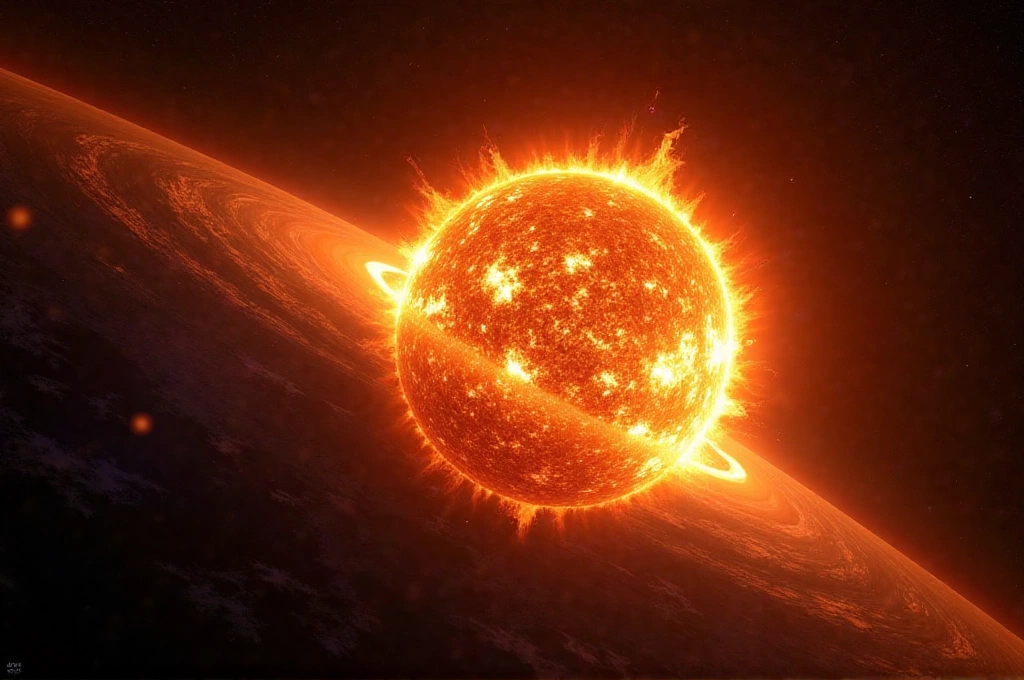
A powerful M6.9 solar flare erupted from sunspot 4513, an Earth-facing active region on the sun, releasing a coronal mass ejection (CME) into space. According to reporting on NOAA forecasts, geomagnetic storm conditions ranging from G1 to G2 levels are now being watched.
Why this matters: Geomagnetic storms at G1-G2 severity could cause minor disruptions to power grids, satellite operations, and high-frequency radio communications—systems that many infrastructure operators and preparedness-minded individuals depend on. While G1-G2 events are relatively common during solar maximum cycles and typically pose limited risk to critical infrastructure, they serve as a reminder of the sun's capacity to affect Earth systems.
The timing is significant because sunspot 4513 is Earth-facing, meaning it remains capable of producing additional flares and CMEs directed toward our planet. The fact that this region has already produced an M-class flare suggests elevated activity levels worth monitoring.
WHAT TO WATCH NEXT:
The immediate priority is tracking whether this CME results in the forecasted G1-G2 storm or whether conditions escalate. Key indicators include:
- Follow NOAA's Space Weather Prediction Center updates on geomagnetic storm forecasts
- Monitor for reports of satellite anomalies or HF radio degradation—early signs of active storm conditions
- Watch for continued M-class or X-class flare activity from sunspot 4513 over the coming days
G3 or higher conditions would represent a material shift requiring broader operational adjustments. Preparedness practitioners should maintain awareness of this activity but avoid treating G1-G2 events as crisis-level threats. The infrastructure risk profile changes substantially at higher severity levels.
