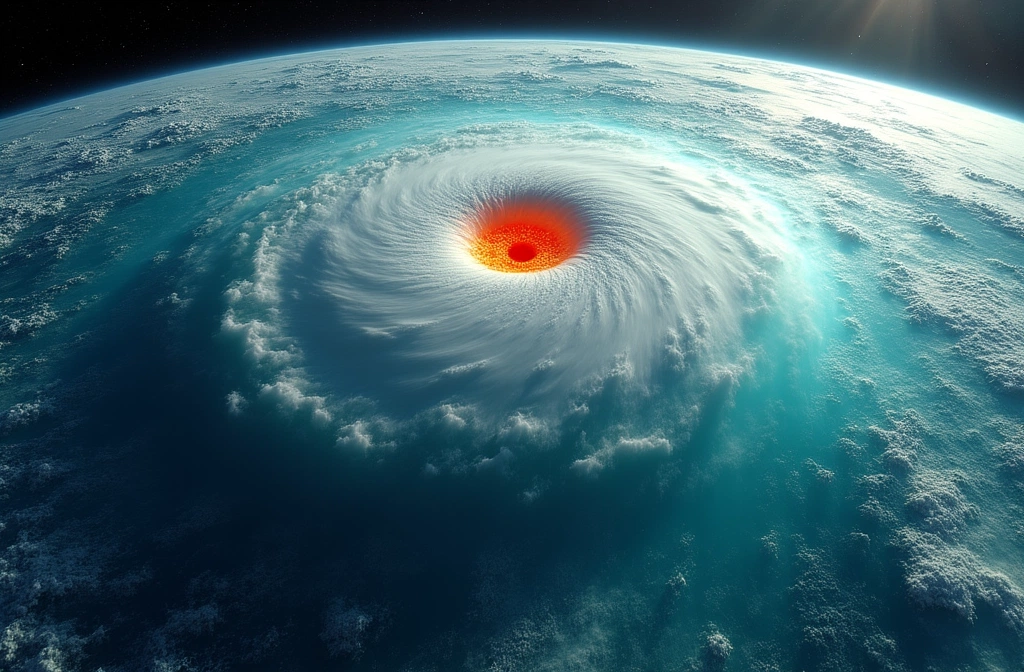
A study reported by the Decatur Daily found that marine heat waves are supercharging damage caused by hurricanes and tropical cyclones across the globe. This research signals a measurable shift in storm behavior that preparedness planners need to factor into coastal risk assessments.
Why this matters: Warmer ocean temperatures fuel stronger storm intensification. When heat waves precondition tropical waters, incoming cyclones may intensify rapidly—reducing warning windows and overwhelming evacuation and emergency response capacity. This is particularly relevant for coastal communities relying on predictable storm timelines for preparedness drills and resource pre-positioning.
For infrastructure: Power grids, water systems, and communications networks in hurricane-prone regions face compounded damage risk if storm intensity increases beyond historical design standards. Coastal utilities should audit whether their hardening strategies account for intensified impacts, not just larger storms.
What to monitor: Track whether regional meteorological agencies (NOAA, regional weather services) begin formally adjusting hurricane damage models or coastal building codes to reflect marine heat wave effects. This will signal institutional recognition and may trigger preparedness resource reallocation.
Practical action: If you're in a coastal hurricane zone, review your household emergency kit and evacuation plan with the assumption that storm surge and wind damage may exceed historical benchmarks for your area. Update insurance documentation of home/property value. For organizations: stress-test supply chain and backup power capacity assuming faster storm intensification and extended outage duration.
