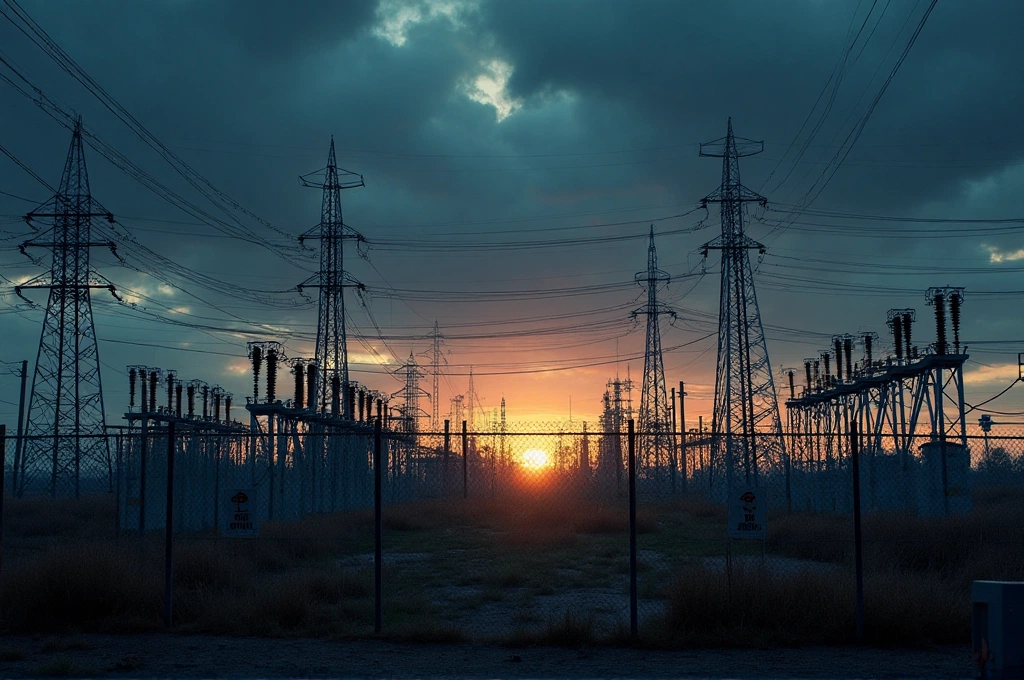
According to coverage in the New York Times and EnergyHub reporting, the 2013 Metcalf substation attack in California stands as one of the most consequential attacks on U.S. power infrastructure on record. The assault was methodical: snipers disabled 17 large transformers in a coordinated 20-minute operation, demonstrating that even hardened grid assets can be neutralized through directed physical assault.
Thirteen years later, this event continues to define vulnerability conversations in energy security circles. The attack was not the result of chance or opportunism—it was planned and executed with precision against a specific target. That level of coordination suggests capability and intent beyond typical criminal activity.
Why this matters: The Metcalf incident exposed a structural weakness in how the U.S. protects critical substations. Large transformers are expensive (often $1M+ to replace), have long lead times, and exist in physically exposed locations. A single coordinated assault can cascade outages across regions. The grid lacks redundancy at many chokepoints.
The reemergence of this case in current analysis may signal renewed attention to physical security gaps that have persisted over the past 13 years. If similar vulnerabilities remain unaddressed—whether due to cost, complexity, or jurisdictional fragmentation—the risk profile has not materially improved.
What to watch: Monitor whether utilities announce new hardening initiatives, particularly around transformer yards in high-consequence areas (near population centers, data centers, hospitals). The absence of visible grid-wide physical security upgrades would suggest systemic risk tolerance has not shifted since 2013. Additionally, watch for industry reporting on transformer replacement timelines and supply chain resilience—these are measurable indicators of actual preparedness posture.
