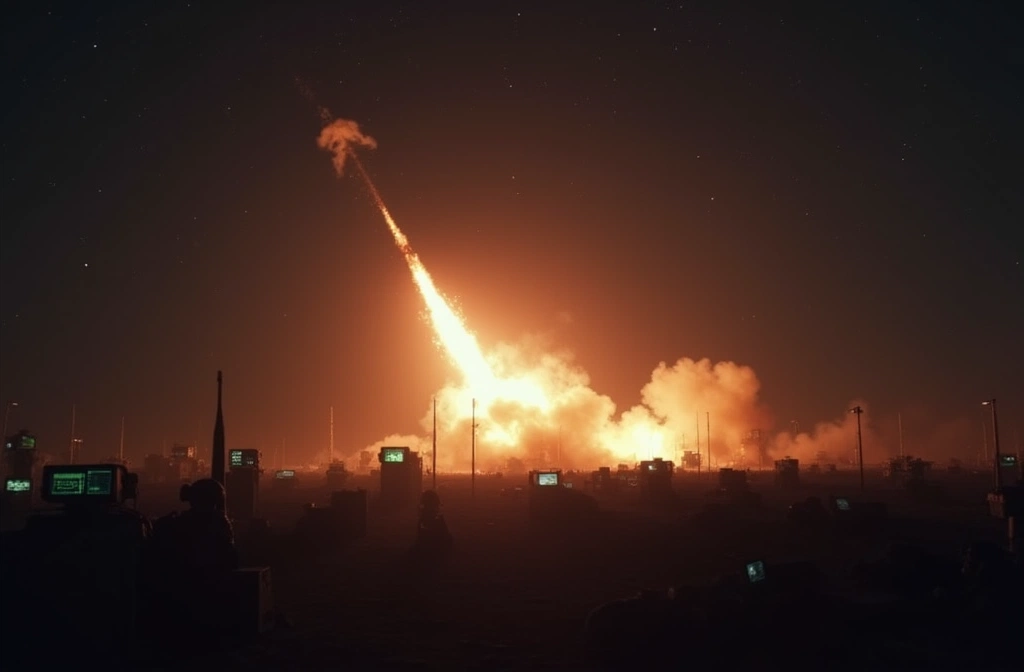
On April 30, 2026, The Times of Israel reported a series of military actions across the eastern Mediterranean and Levant region. An Israeli Air Force F-15 fighter jet conducted strikes operations into Iran (first documented April 6, 2026). On the same day, military cargo was loaded at Ashdod Port, and a Hezbollah drone struck an M548 cargo carrier at an Israeli military artillery site near Shomera in the northern border region.
The concurrent nature of these actions—air operations into Iran, port-level military logistics, and non-state actor drone strikes against ground positions—suggests a wider operational tempo across multiple theaters. For infrastructure observers, this matters because regional air operations can disrupt international shipping lanes, create cascading effects on fuel and commodity markets, and stress already fragile telecommunications infrastructure serving the broader Mediterranean and Middle East.
The Trump administration's Board of Peace characterized a Gaza-bound flotilla as 'love boat activism,' according to the same report, indicating political friction over humanitarian operations in contested zones.
What to watch: The next 72 hours are critical for indicators of escalation or de-escalation. Monitor for statements from Iranian government sources or Israeli Defense Ministry announcements that confirm retaliatory intent or military posture changes. Watch for commercial shipping advisories in the Suez Canal and Red Sea—insurance companies and maritime operators typically adjust coverage and routing within hours of credible threat escalation. Port activity at Ashdod and Haifa should be tracked for unusual cargo volumes or priority military shipments, which historically precede sustained operations. Any public statements from Hezbollah or Iranian proxies claiming additional strikes will indicate whether April 30 represents isolated incidents or the opening of a broader campaign.