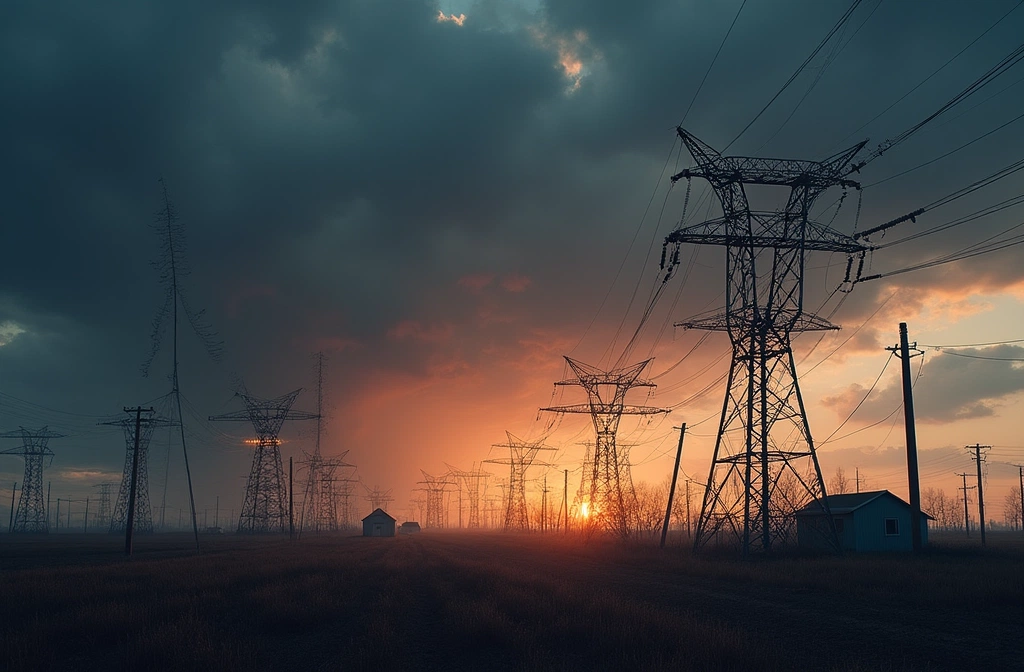
A derecho crossed the Midwest with sustained winds reaching 99 mph, leaving more than 1 million people without power across a 300-mile footprint. According to available reporting, three deaths resulted from the event—notably, all three occurred after warnings were issued.
This sequence matters. Warnings are a first line of defense, but they are not a complete defense. The fact that fatalities occurred post-warning suggests the failure mode was not information failure—it was execution failure. People either could not reach shelter, lacked alternatives, or faced hazards warnings alone cannot mitigate (falling debris, structural failure, medical dependency on grid power).
For infrastructure: A million simultaneous outages indicates grid fragmentation across a wide geographic area. Restoration after derecho events typically involves damaged transmission lines, transformer failures, and supply chain bottlenecks. Regional power restoration can span days to weeks depending on damage severity and mutual-aid resource availability. This event will stress grid recovery protocols and test the sufficiency of spare equipment inventory.
For preparedness: This event is a live-fire drill in what warnings actually accomplish. Early notification is necessary but insufficient. The three fatalities are tracers—they reveal that shelter adequacy, backup power for medical devices, communication redundancy after grid failure, and supply buffers matter more than alert timeliness alone.
The derecho's 300-mile span also illustrates the scale at which single weather events can fragment regional supply chains. A million people without power simultaneously will show cascading effects: fuel pump failures, water treatment interruptions, refrigeration loss, and increased demand on finite mutual-aid resources.
Watch for: restoration timelines and reports on infrastructure damage severity (transmission vs. distribution). Longer restoration windows indicate more serious damage to the grid backbone, not just local distribution.
