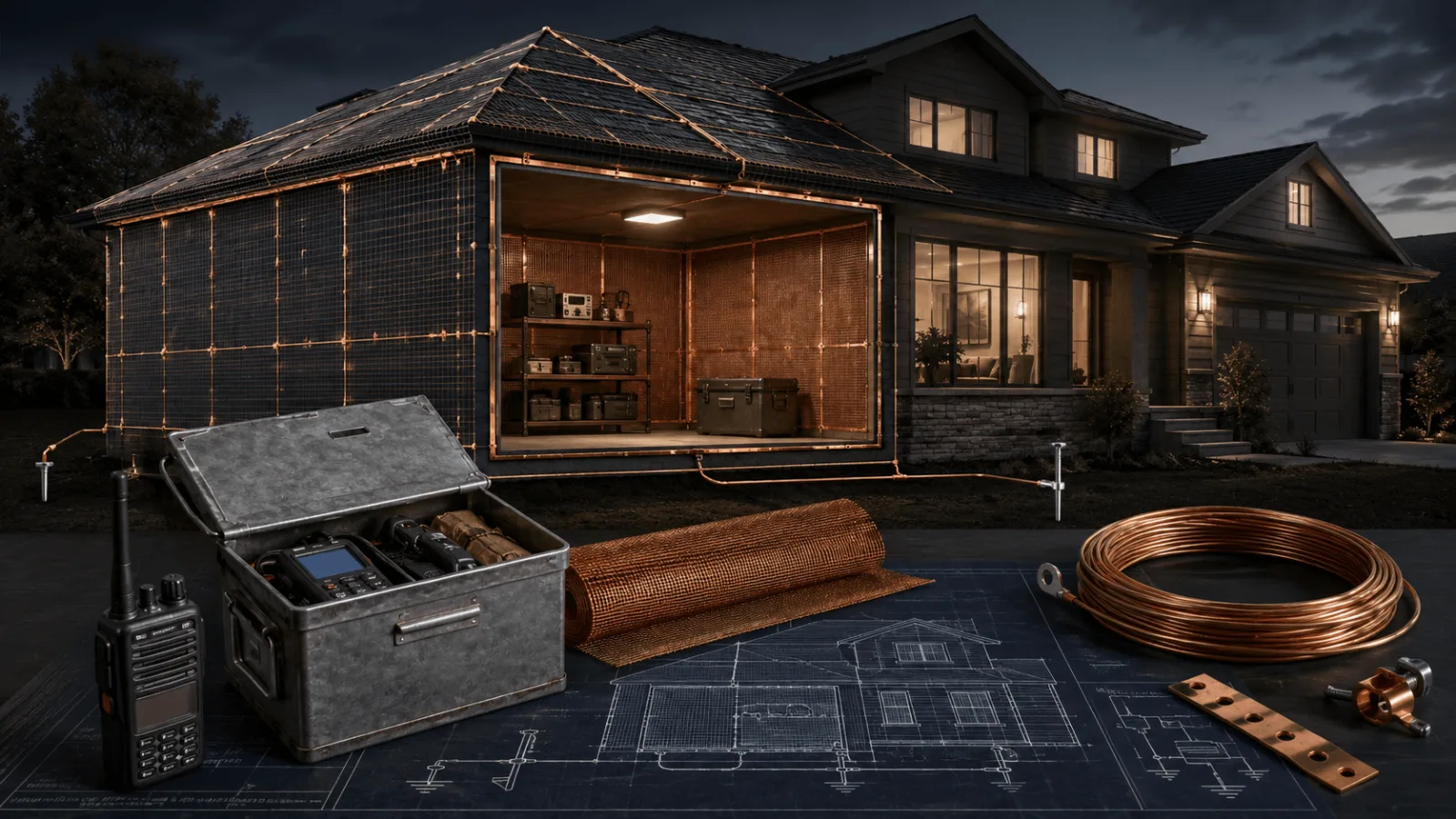
Here's what the latest reporting tells us: fears about electromagnetic pulse weapons destroying the US military are largely exaggerated. According to Task & Purpose's recent analysis, "Fears of an EMP attack are overblown. It's what comes next that should worry you." That's the real intel.
The National Interest has also weighed in on how adversaries might theoretically use EMP as a strategic weapon, but the consensus from military analysts is clear—a widespread EMP event isn't the apocalyptic grid-killer Hollywood sells it as. Modern military systems have hardening protocols. Critical infrastructure has redundancies.
But here's where it gets real: the cascading failures after an EMP or major grid event are what will actually break society. Supply chains collapse. Hospitals lose power. Water treatment halts. Communications black out. Within three days, civil order deteriorates. That's not speculation—that's what military planners game out.
Why preppers need to care: Stop obsessing over whether an EMP will happen and start preparing for the grid failure scenario that will happen eventually—whether from solar storm, cyber attack, or infrastructure decay. The outcome is identical.
Actionable steps right now:
Audit your 72-hour survival window. Do you have 14 days of water stored (1 gallon per person daily)? Non-perishable food? Cash on hand? Medications? A manual way to cook and purify water? This matters more than any EMP mythology.
Build a communication backup. Battery-powered or hand-crank radio, charged portable batteries, and a paper map of your area. When cell networks go down—and they will eventually—you need offline situational awareness.
Source attribution: Task & Purpose, National Interest.
The military knows EMP scenarios. They've moved past the hype. You should too. Focus on baseline resilience, not doomsday theatre.