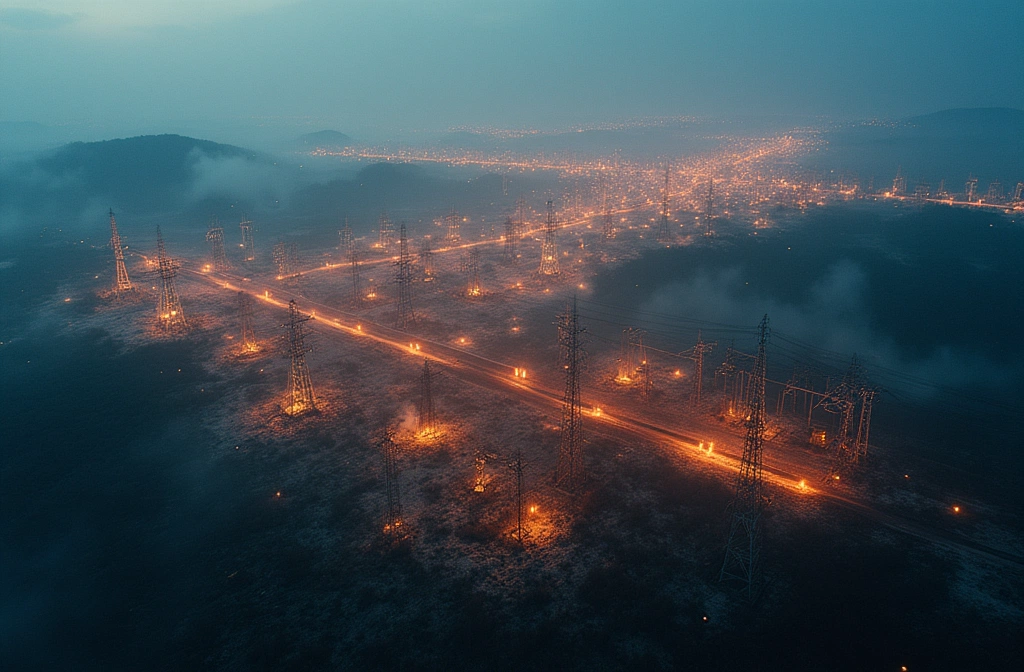
MIT researchers have created a framework that integrates climate projections with electrical grid infrastructure data to identify blackout risk hotspots before extreme weather events occur, according to reporting by OilPrice.com. The framework pairs forward-looking climate models with existing grid topology and asset location data to flag vulnerable points in the transmission and distribution network.
The potential impact is significant: OilPrice.com reports the method could reduce future outage rates by as much as fivefold—a substantial improvement over current reactive approaches to grid resilience. This represents a shift from managing outages after they happen to anticipating them.
Why this matters: The U.S. grid already faces mounting pressure from aging infrastructure, increasing electrification demand, and weather volatility. Proactive identification of weak points allows utilities to prioritize hardening efforts and maintenance in high-risk zones before cascading failures occur. For preparedness planning, this signals that utilities and researchers are developing better tools for predicting localized grid stress—though deployment and adoption timelines remain unclear.
The framework's effectiveness depends on several variables: accuracy of climate projections at regional scales, quality and currency of grid infrastructure datasets, and utility willingness to act on vulnerability assessments. Real-world grid hardening projects require capital investment, permitting, and execution—processes that often move slower than threat identification.
What to watch: Track whether utilities begin publishing grid resilience data or announcing infrastructure upgrades in identified hotspot zones. Regional announcements about microgrid investments, underground transmission projects, or backup generation capacity in high-risk areas would indicate adoption of this framework's findings. Conversely, lack of visible grid hardening investments despite known vulnerabilities would suggest the research remains in the academic domain.
