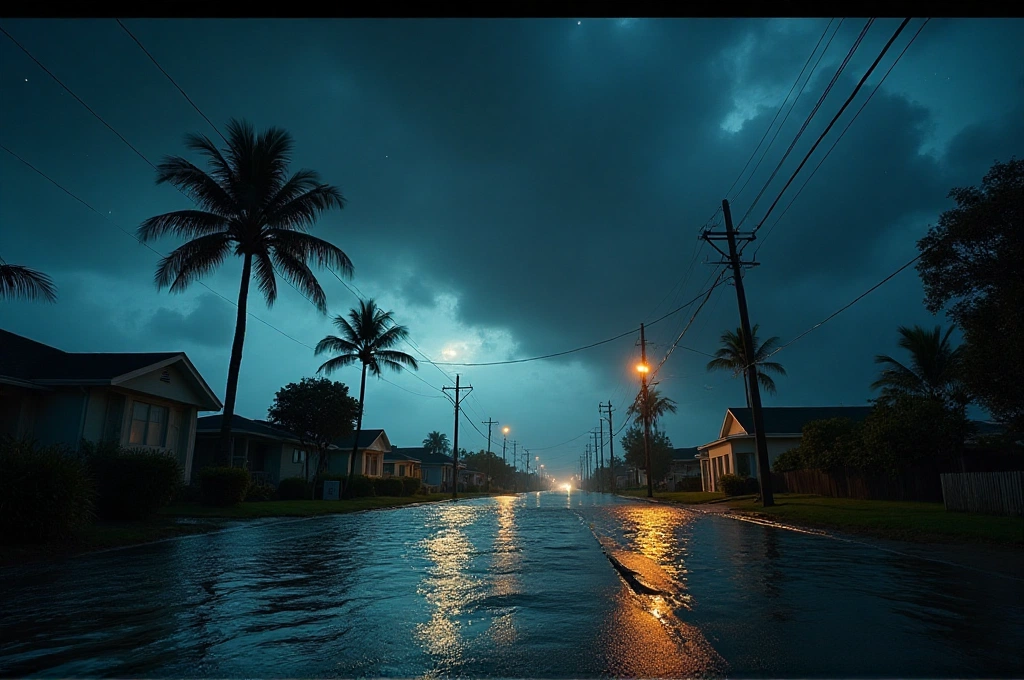
Tropical Storm Lala has created a cascading infrastructure failure across the central and western United States. In Hawaii, the storm left 179,000 without power and forced statewide closure — a significant disruption to an island grid with limited redundancy and no continental backup. Meanwhile, record rainfall in Kanawha County, West Virginia drove more than 50 water rescues, pushing local emergency response systems to capacity. Indiana declared a statewide disaster amid flooding conditions. Separately, Nevada activated emergency protocols as fires in the Reno area forced 6,000 evacuations.
This cluster of simultaneous events across geographically dispersed regions underscores a critical preparedness reality: infrastructure vulnerability is not isolated. When power systems fail during weather events, water treatment and distribution falter. When transportation corridors flood, supply chains fragment. When multiple states declare disasters concurrently, mutual aid resources become stretched and response times degrade.
The Hawaii situation merits specific attention. Island grids operate without the interconnection resilience available to continental systems. A 179,000-customer outage represents material loss of generation or distribution — not a localized substation failure. Recovery timelines for major island infrastructure disruptions typically extend days to weeks, during which fuel imports, food distribution, and medical services depend on rationing and emergency protocols.
CISA issued 14 ICS (Industrial Control Systems) advisories in connection with this event cluster — a signal that critical infrastructure operators are identifying vulnerabilities under real-world stress conditions. These advisories typically flag exploitable gaps in SCADA systems, water treatment controls, and emergency management networks when they are actively challenged.
What to monitor: Watch for power restoration timelines in Hawaii. Full grid recovery under 72 hours is routine; recovery beyond 5 days suggests equipment damage requiring replacement, not repair. Track whether flooding in West Virginia and Indiana triggers water quality alerts or boil-water notices — a secondary failure mode that often outlasts the weather event itself. Monitor whether emergency declarations expand geographically or escalate in severity classification. Each of these signals indicates whether this remains a regional weather response or is beginning to show signs of systemic stress.
