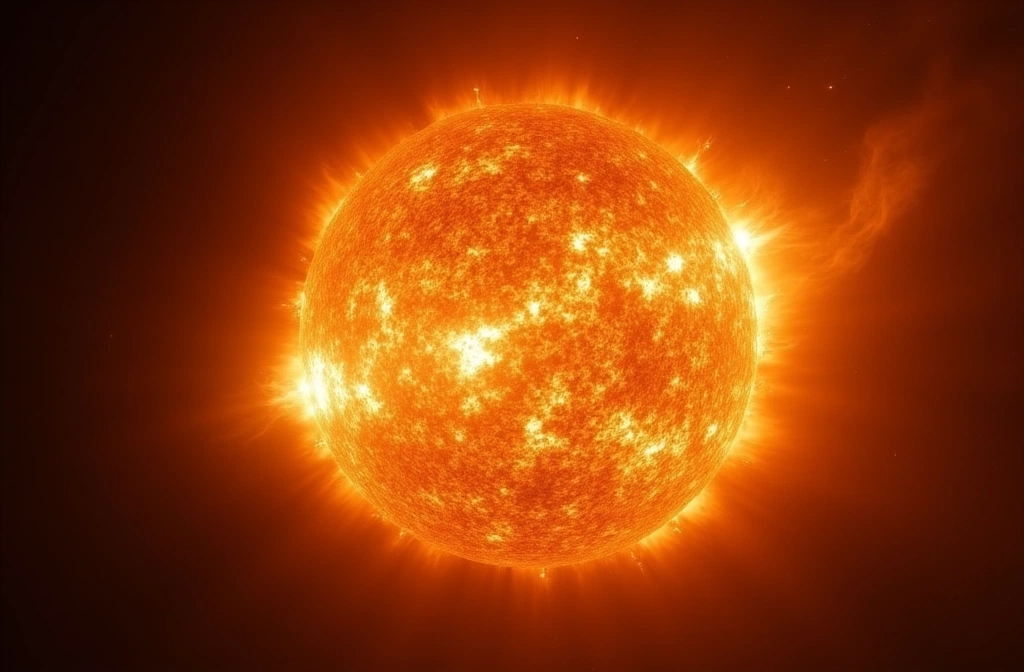
NASA has detected a powerful X-class solar flare, according to Daily Galaxy reporting. The event underscores a critical fact: the Sun is currently in one of its most active periods in years, which means elevated risk of further significant events.
X-class flares represent the highest classification on the solar flare scale. While not every X-class flare triggers infrastructure damage, the intensity and directional orientation of the coronal mass ejection (CME) it generates determine real-world impact on power grids, satellite operations, and HF communications.
What makes this event noteworthy is the context: a single X-class flare during a quiet solar period is worth monitoring. A single X-class flare during a period of sustained high activity is a signal of potential escalation. The Sun's current state suggests additional flares are statistically more likely in coming weeks and months.
For preparedness purposes, this is a watch indicator, not an emergency trigger. The threat landscape shifts when:
— Multiple X-class or M-class flares occur in rapid succession — Ground-based magnetometer readings (Kp index) show sustained elevation — Utility operators report pre-emptive load-shedding or transformer staging — Satellite operators begin moving assets or announcing degraded services
The practical intelligence gap right now is directional: we don't know from available reporting whether this flare's CME is Earth-directed or oriented away from our orbit. That determines whether secondary effects (geomagnetic storm, radio blackouts) materialize over the next 24-72 hours.
Monitor NOAA's Space Weather Prediction Center (SWPC) for official alerts. Kp index readings above 7 indicate G3-level geomagnetic activity—the threshold where grid operators typically activate contingency protocols. Watch for utility notifications in your region; they often precede public warnings.
The solar cycle is real. We're in the active phase. Treat this as a calibration event: it confirms the threat model is operational, not theoretical.
