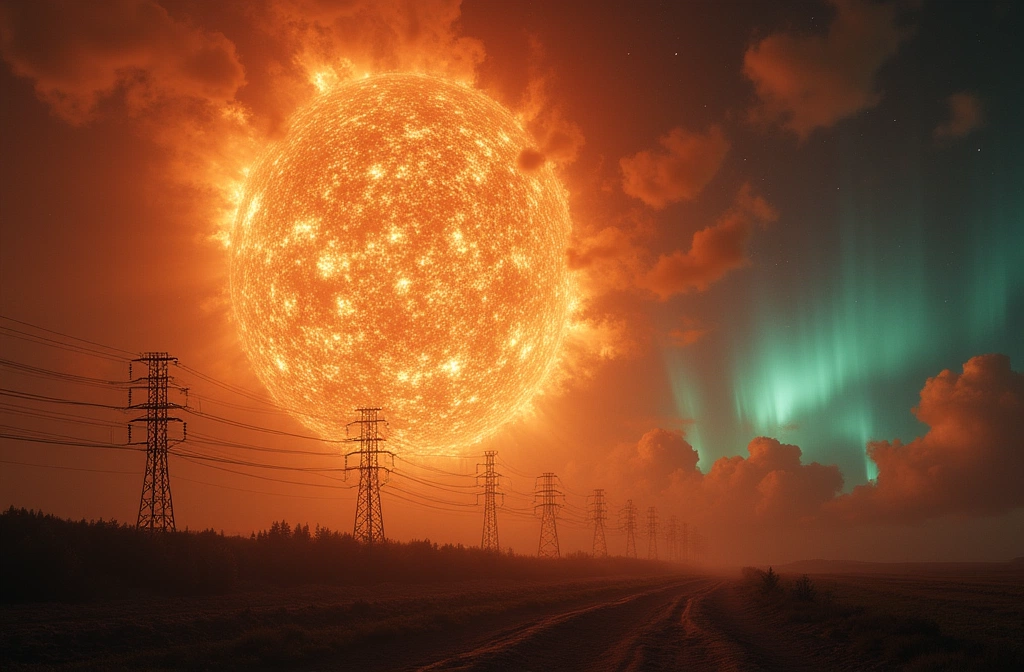
A peer-reviewed study led by Dr. Nithin Sivadas of NASA's Goddard Space Flight Center, published in the journal Nature, indicates that the effects of extreme space weather may be substantially larger than previously thought. The paper, titled "Regression to the mean can explain saturation of geomagnetic storms," challenges assumptions embedded in current risk models.
The significance here is direct: if extreme solar storm effects are underestimated, then grid vulnerability assessments, transformer replacement timelines, and communications redundancy planning may all be calibrated to insufficient threat levels. Power grid operators and infrastructure planners rely on geomagnetic storm models to inform hardening investments. If those models systematically underestimate worst-case scenarios, the gap between expected and actual impact widens—and critical infrastructure sits in that gap.
This doesn't mean a catastrophic event is imminent. It means the scientific baseline for "extreme" has shifted. NASA researchers are flagging a methodological issue: saturation effects in geomagnetic data may mask the true upper bound of possible storms. That distinction matters enormously for long-term infrastructure resilience policy.
What makes this noteworthy is the source. NASA's Goddard Space Flight Center is the institutional core of U.S. space weather monitoring. When their researchers publish findings in Nature suggesting models may be systematically optimistic about storm containment, that's not fringe concern—it's a peer-reviewed recalibration of baseline risk.
The immediate question for preparedness-minded readers and infrastructure planners: Are current grid hardening and redundancy investments scaled to the corrected threat model, or the old one? If utilities and grid operators haven't yet integrated these findings into vulnerability assessments, there's a lag period where planning assumptions no longer match observed science.
Watch for: whether NOAA and DOE cite this research in updated Space Weather Operations Center forecasting models, and whether utilities revise transformer procurement or grid redundancy timelines in response.
