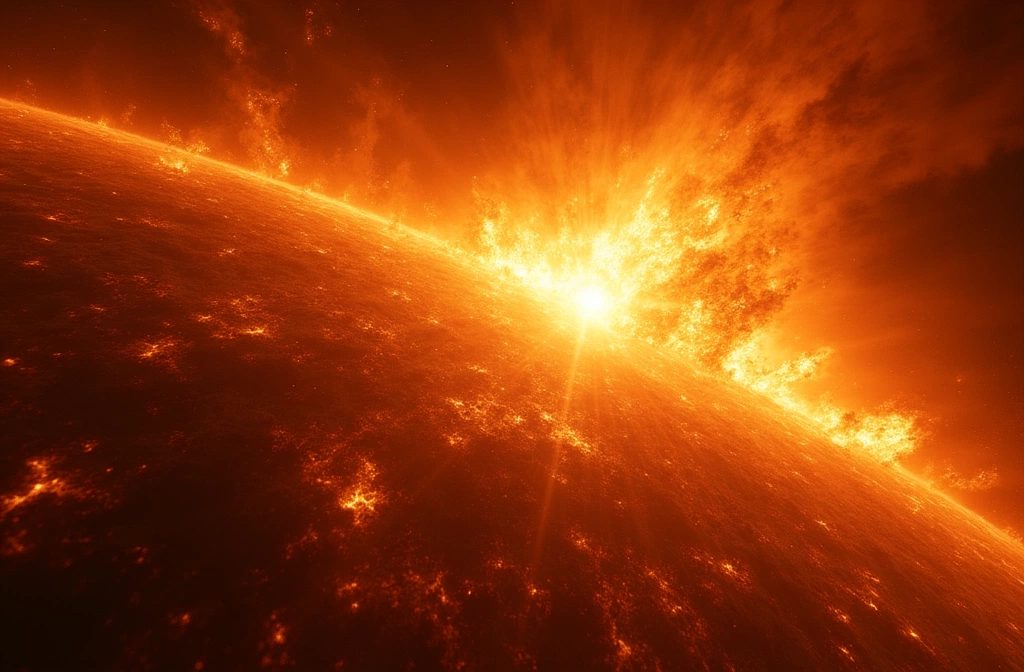
According to Moneycontrol.com reporting on a NASA-led study, researchers have challenged a long-held theory about extreme solar storms, with findings suggesting future events could be more powerful than previously estimated. The study may improve space weather forecasting capabilities and inform protective measures for satellite infrastructure.
Why this matters: Solar storms pose direct threats to space-based systems and terrestrial infrastructure. Satellites, GPS networks, and power grids all operate within vulnerability windows during geomagnetic events. If NASA's revised modeling is correct—indicating stronger potential storm intensity—existing mitigation strategies and infrastructure hardening standards may require reassessment.
The original theory being challenged is not specified in available reporting, but the implication is clear: prior ceiling estimates for extreme solar storm strength may have been conservative. This suggests infrastructure operators and space agencies have been planning around potentially underestimated risk scenarios.
Currently, this represents a research finding rather than an active emergency condition. The signals indicate NASA has published peer-reviewed work that contradicts previous assumptions about geomagnetic storm magnitude caps. Moneycontrol's reporting frames this as consequential for forecasting, but no imminent solar storm is being flagged in the available sources.
What to watch: The practical application of these findings will emerge through updated NOAA space weather forecasts, revised satellite design standards, and grid operator preparation protocols. Whether existing infrastructure hardening requirements are adjusted in response to NASA's revised threat modeling will indicate how seriously this research is being integrated into operational risk management. Additionally, track whether utilities and satellite operators announce new protective measures based on these findings.
