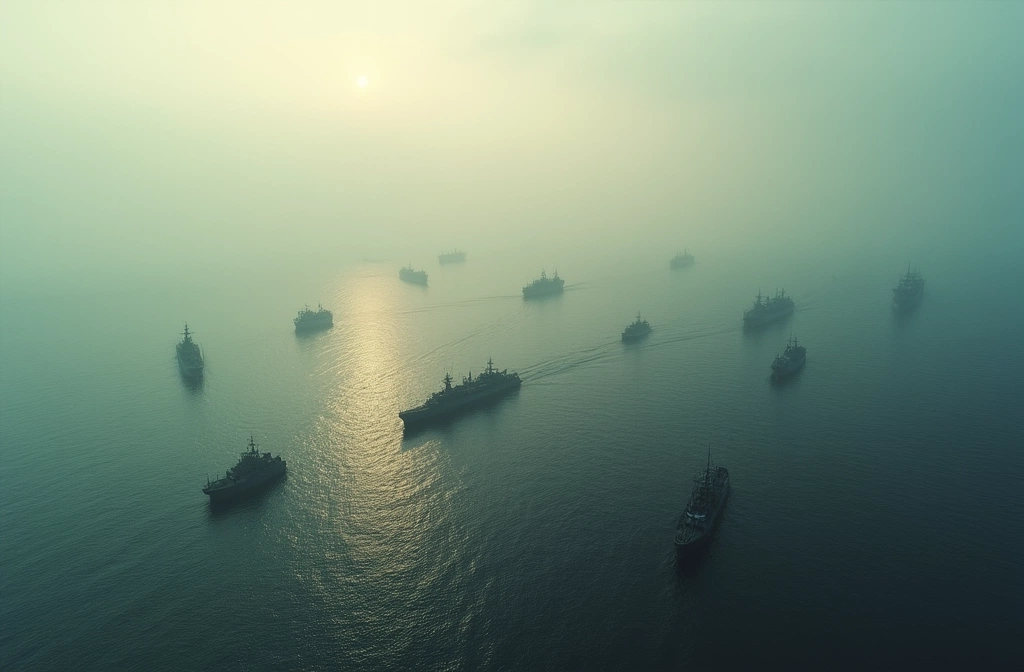
Al Jazeera's reporting identifies naval blockades as a primary mechanism of modern warfare, using sea control to restrict supplies and force capitulation. The Strait of Hormuz blockade scenario represents a significant escalation risk with direct implications for energy markets and supply chains.
Why this matters: The Strait of Hormuz handles roughly one-third of global seaborne oil trade. A sustained blockade would create immediate pressure on energy prices, fuel availability, and downstream industrial capacity across North America, Europe, and Asia. Unlike cyber attacks or localized conflicts, a naval siege operates on extended timelines—typically weeks to months—allowing some adjustment but creating compounding scarcity effects.
Historical context: Naval blockades shaped outcome in the American Civil War (Union's Anaconda Plan) and the 1973 Yom Kippur War aftermath (Suez closure). Both cases demonstrate that blockades don't require complete closure to inflict economic damage; partial restrictions combined with uncertainty trigger market reactions that amplify the initial disruption.
What to watch: Monitor shipping insurance rates, tanker routing reports, and official statements from maritime authorities. Insurance costs and rerouting distance are leading indicators—they shift before official conflict declarations. Track global oil futures pricing for sharp volatility spikes tied to Strait-specific supply concerns.
For preparedness planners: This scenario sits in the medium-risk, extended-duration category. It's not sudden-impact like EMP or cyber attacks, but it is structural. Energy-dependent systems (heating, cooling, transportation fueling, backup generators) face cumulative pressure over weeks. Readers operating critical infrastructure or managing supply chains should review inventory turnover assumptions and fuel reserve timelines against a 4-8 week disruption scenario—the historical window for blockade stabilization or resolution.
