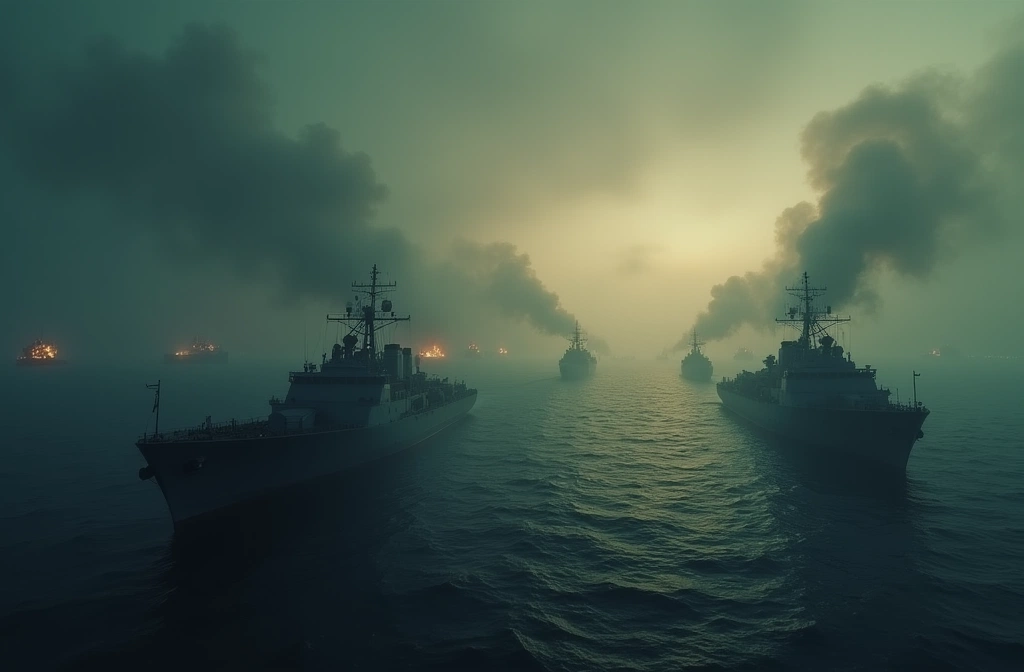
According to The Guardian, an extended naval blockade represents a significant escalation in US military posture within the context of the US-Israel conflict with Iran. The blockade centers on control of the Strait of Hormuz—a critical global chokepoint through which roughly one-third of seaborne traded oil passes annually.
The Guardian's reporting frames the blockade as an indicator that military escalation carries even greater risk than previously assessed. The outlet notes that "the Battle of the blockades may still have more time to run as the US and Iran try to assert control of the strait." This language suggests both sides are entrenched in a prolonged competition for strategic advantage rather than signaling imminent de-escalation.
For preparedness planning, this development matters because sustained naval tension in the Strait of Hormuz directly threatens global energy supply chains. Any further disruption—whether through direct military action, miscalculation, or blockade expansion—could spike crude oil and refined product prices, strain transportation networks, and stress electricity grids dependent on fossil fuel generation. Energy cost shocks cascade across food systems, manufacturing, and heating fuel availability.
Secondary concerns include potential cyber operations targeting maritime infrastructure, port facilities, or energy infrastructure in the region, and the possibility of supply chain friction affecting semiconductor, pharmaceutical, and chemical shipments that transit the strait.
The fact that The Guardian characterizes an extended blockade as evidence of escalation risk—rather than containment—suggests analysts assess the current posture as unsustainable and prone to further military moves. Watch for: additional US or allied naval deployments to the region, Iranian counter-blockade actions, statements from shipping insurers about transit risk premiums, and any disruptions to tanker traffic patterns.
