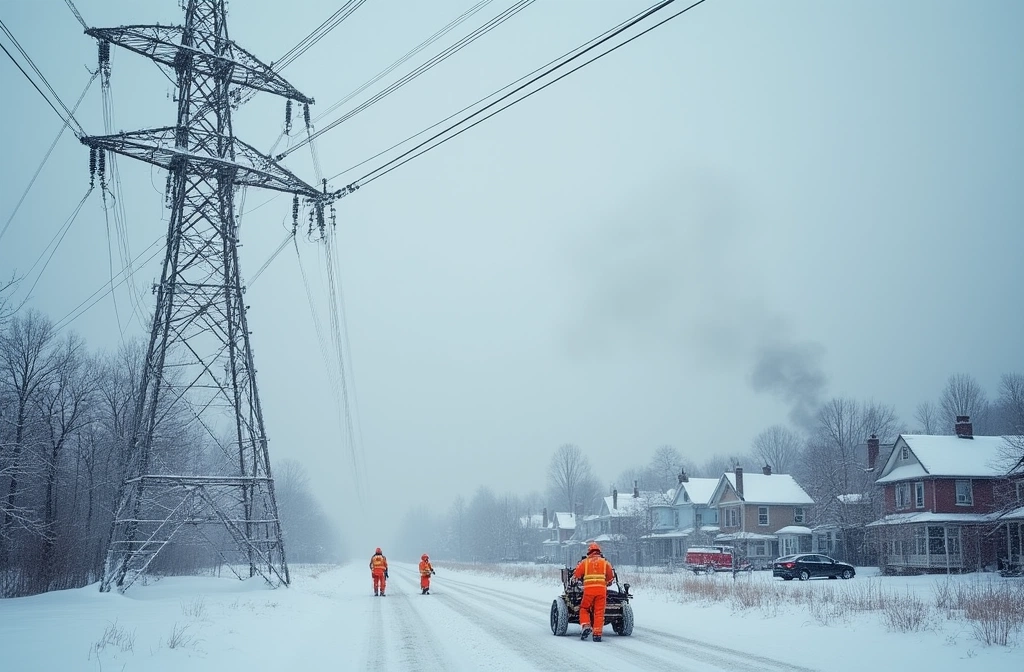
A late-January winter storm caused a historic outage across Nashville Electric Service territory, affecting nearly half of NES customers. Full power restoration took 12 days, according to the utility. An independent review has since identified delays in outside assistance deployment during the incident—a critical vulnerability in major grid events.
Why this matters: Extended outages in urban utility zones expose a gap between demand for mutual aid and actual deployment speed. When a regional utility cannot rapidly coordinate outside resources, restoration timelines stretch. Twelve days means sustained loss of heating, refrigeration, communications charging, and medical equipment operation across a major metro area. For preparedness planners, this is a data point: assume local and regional mutual aid may face coordination friction during winter events, and personal resilience plans should account for multi-day outages as baseline, not edge case.
The independent review's identification of delayed outside help is the actionable signal here. It suggests either resource availability constraints, communication breakdowns between utilities, or both. NES will likely face pressure to strengthen mutual aid agreements and pre-positioning protocols ahead of the next severe weather season.
What to watch: Monitor whether NES or Tennessee's Public Utility Commission issues revised winter readiness guidance or mutual aid procedures before the 2026-27 season. Track whether similar delays surface in other utilities' winter event reviews. If coordination friction appears systemic rather than isolated to Nashville, it could indicate a broader fragility in grid mutual aid networks during simultaneous regional outages.
