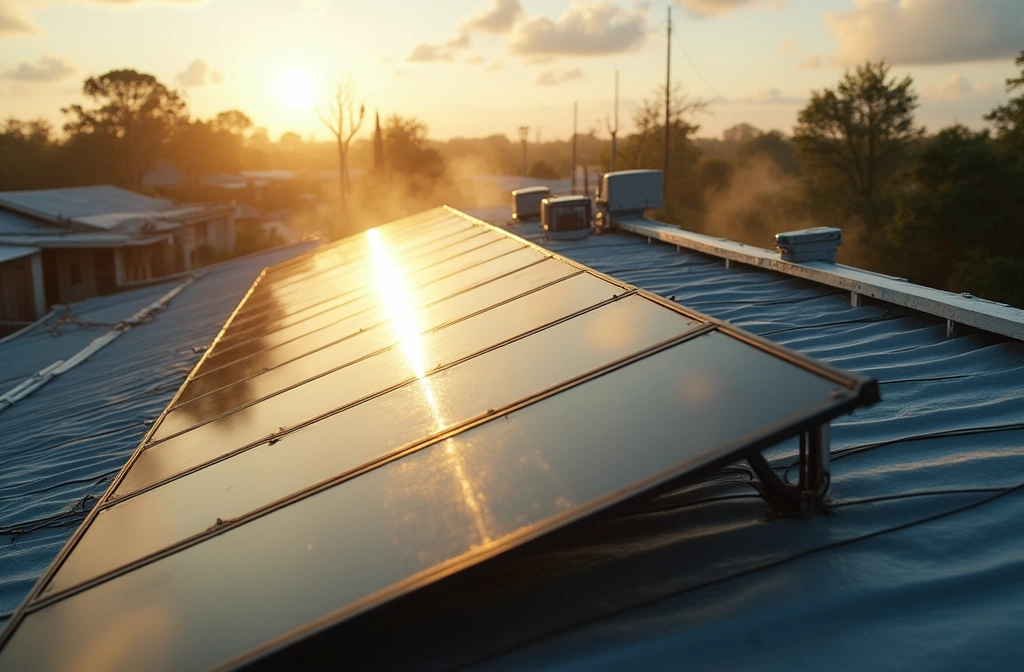
According to reporting from The Cool Down, some New Orleans homeowners are choosing solar battery systems over conventional generators as hurricane-driven outages extend beyond typical restoration windows. The trend appears driven by practical cost-benefit analysis rather than ideology: homeowners with existing solar installations can repurpose generated power during blackouts instead of losing it to grid disconnection.
Battery-backed solar systems sized to power essential loads—refrigerators, fans, communications devices—require significant upfront investment comparable to larger generator systems. The decision to adopt one approach over another hinges on matching expected wattage demand against available budget and anticipated outage duration.
This signal matters for infrastructure resilience assessment. It indicates that distributed solar + storage may address a specific failure mode: extended grid unavailability where fuel supply chains for generators face disruption or exhaustion. For homeowners with capital and existing solar infrastructure, this creates a decoupled power layer independent of grid restoration or fuel logistics.
The emerging pattern also suggests grid operators and emergency planners should monitor adoption rates of distributed battery storage. Widespread adoption could meaningfully alter peak demand profiles during grid recovery phases, or conversely, reduce pressure on emergency fuel distribution if adoption remains limited to higher-income households with pre-existing solar.
Critically: this remains a single source report from a single geographic area. Adoption scale, cost barriers, technical failure modes during extended outages, and comparative resilience outcomes between battery and generator systems remain unmeasured in available signals. The shift is documented but not yet quantified as a threat, opportunity, or systemic pattern.
Watch for: expanded reporting on battery system performance during multi-day outages, failure rates under extended discharge cycles, and whether insurance or grid incentive structures begin favoring one backup technology over another.
