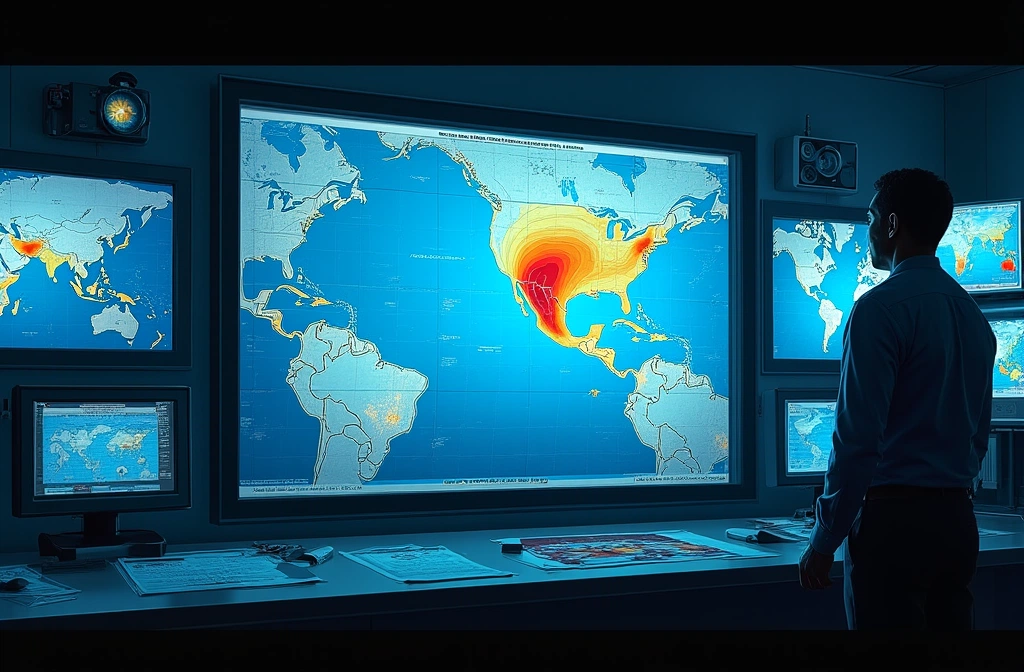
The National Hurricane Center will present hurricane track forecasts differently during the 2026 season, according to reporting from the Orlando Sentinel and Sun Sentinel. The change reflects growing recognition that the traditional "cone of uncertainty" — which shows the probable path of a storm's center — creates a dangerous blind spot for people living outside that cone.
The core problem is straightforward: a hurricane's destructive impacts extend hundreds of miles from its center. Recent storms including Colleen and Milton demonstrated this reality, delivering damaging winds, storm surge, and flooding far beyond the cone's boundaries. People relying solely on whether they fall inside or outside the cone have been making inadequate preparedness decisions.
National Hurricane Center guidance now emphasizes a different priority framework: Official watches and warnings from local authorities are your actual decision trigger, not cone position. This represents a subtle but significant shift in how the agency wants the public to interpret forecast data.
What this means operationally: If your local emergency management office has issued a watch or warning, you should prepare and execute evacuation plans regardless of where your location falls relative to the track cone. The cone is a tool for understanding center-line uncertainty, not a radius of safety.
For infrastructure and supply chains, this change suggests the NHC is attempting to reduce forecast-driven complacency in outlying areas. Hospitals, fuel depots, data centers, and logistics nodes 150+ miles from a forecast center have historically assumed lower risk based on cone position alone. That assumption is now officially challenged.
What to watch: Over the next 2–3 months, monitor how National Weather Service local offices integrate this messaging into public warnings. If adoption is inconsistent, gaps between official guidance and public understanding could persist through peak storm season. Pay specific attention to whether evacuation zones expand in your jurisdiction — that's a concrete indicator of whether this message is filtering into actual emergency planning.
