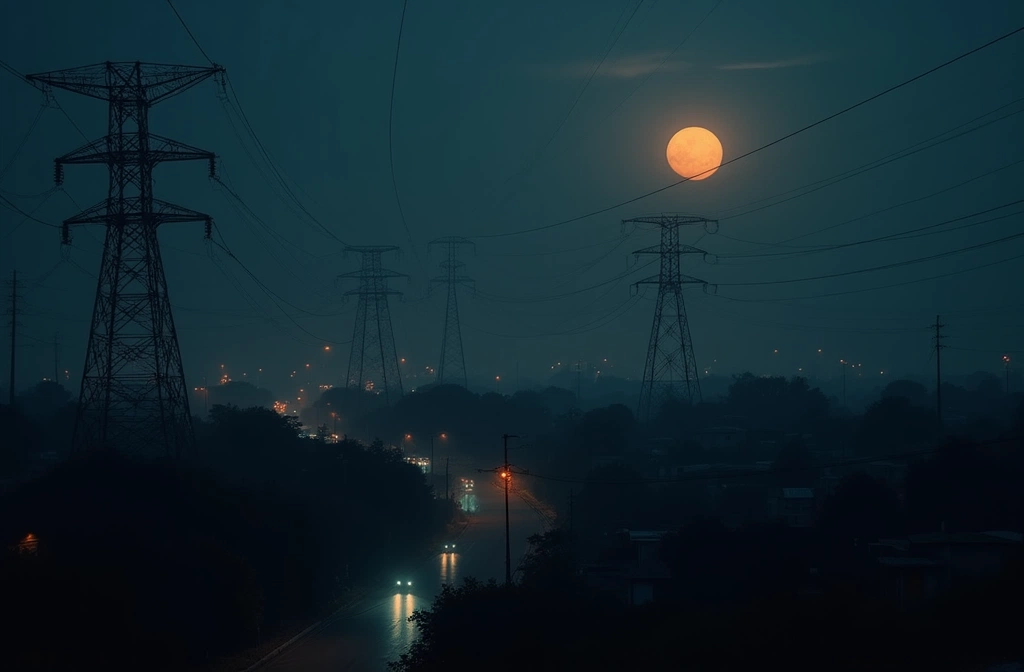
On two separate occasions in January 2026, Nigeria's national grid underwent what NISO characterized as a "system-wide disturbance," resulting in total outages across the country. According to Punch Nigeria, power generation collapsed from 3,825MW to 39MW within minutes during these events, plunging millions into darkness.
The root causes identified by Punch Nigeria point to generation and transmission faults—not a single failure, but a combination of weaknesses in how power is produced and moved through the grid. This cascade pattern is significant: when generation capacity evaporates that rapidly, it suggests either loss of multiple generation facilities simultaneously or a transmission system unable to stabilize demand when primary sources fail.
Why this matters: Nigeria's grid supports over 200 million people. Double failures within a single month indicate systemic fragility, not isolated incidents. The speed of collapse (3,825MW to 39MW) suggests minimal redundancy and weak grid stabilization mechanisms. For preparedness-minded readers, this demonstrates how interconnected grids can fail suddenly and completely—there is no graceful degradation, no slow fade. One moment the system functions; the next, it doesn't.
The "deep rot" language from Punch Nigeria's reporting suggests these aren't new problems. Generation and transmission faults don't emerge overnight; they reflect deferred maintenance, aging infrastructure, and possibly insufficient investment in grid modernization.
Historically, this mirrors patterns seen in other fragile grids: cascading blackouts that begin with a single fault, propagate because the system lacks absorptive capacity, and leave populations without power for extended periods. Unlike localized outages, nationwide grid failures eliminate backup systems—hospitals on generators, water pumping stations, communications hubs all depend on fuel supplies that may not reach them during chaos.
The two failures within one month suggest this isn't stabilizing. Watch for reporting on whether generation capacity is being restored, transmission infrastructure repairs are underway, or whether similar collapses occur again.
