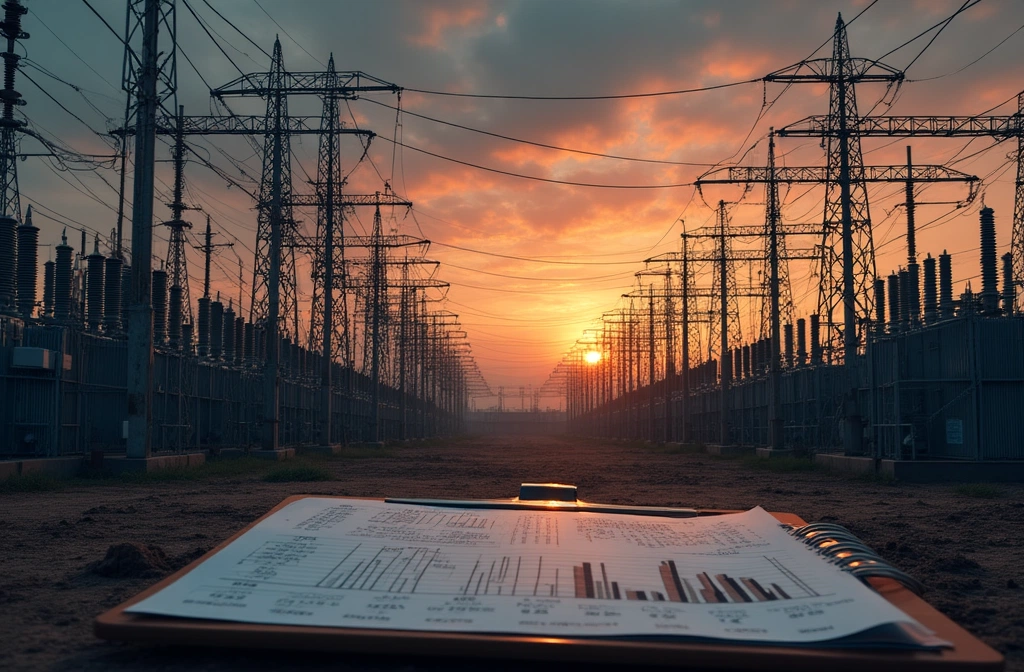
Premium Times Nigeria reported that Nigeria's power distribution companies (DisCos) are experiencing significant revenue shortfalls. The data reveals a three-tier efficiency problem: DisCos received electricity worth ₦336.43 billion, billed customers ₦268.20 billion, but collected only ₦204.74 billion. This represents a 39% gap between billed and actual revenue.
Why this matters: Revenue gaps of this magnitude directly impact a utility's ability to fund grid maintenance, infrastructure upgrades, and operational resilience. When cash collection trails billing by nearly 40%, it signals either payment default rates, metering accuracy issues, or both—all of which degrade grid stability. Underfunded utilities typically defer preventive maintenance, increasing mean-time-to-repair and cascading outage risk.
This is not an imminent crisis signal, but it is an emerging structural indicator. For Nigeria's grid—already stressed by generation constraints and transmission bottlenecks—a weakened DisCo revenue base could compound existing vulnerabilities.
What to watch:
- Quarterly DisCo performance reports: track whether the collection-to-billed ratio improves or widens further. A sustained or widening gap suggests systemic dysfunction.
- Grid stability metrics: monitor outage frequency and duration in affected service areas. Revenue pressure often precedes deferred maintenance cycles.
Practical step for preparedness-minded readers in Nigeria or dependent on Nigerian grid stability: validate your backup power capacity (generator fuel reserves, battery systems, load-shedding schedules) and confirm fuel resupply lines. If utility revenue constraints drive increased planned or unplanned outages, redundancy becomes the most reliable insurance.