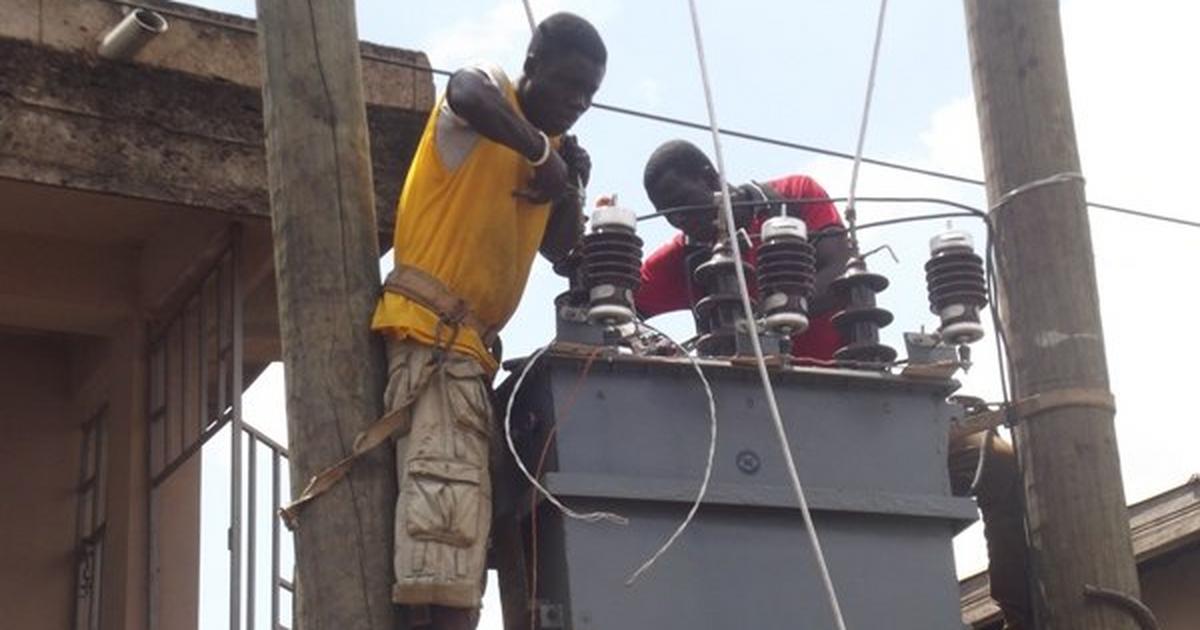
According to Naija247news (May 30, 2026), Nigeria's electricity, gas, steam, and air-conditioning supply sector contracted by 15.30% in the first quarter of 2026. This is a material economic signal—a 15% contraction in a core infrastructure pillar indicates either widespread supply failure, demand collapse from outages, or both.
Why this matters: Nigeria's power grid has been under chronic stress for years. A 15% sectoral contraction suggests the problem has moved beyond rolling blackouts into territory where businesses are shuttering operations, industrial load is offline, and the broader economy is absorbing direct hits. This affects not just electricity generation but dependent systems: water treatment, healthcare, telecom backhaul, fuel distribution.
For preparedness readers, this is a case study in infrastructure cascade risk. When a primary grid fails consistently:
- Secondary systems (water, medical, communications) degrade within weeks
- Supply chains fragment—no refrigeration, no industrial cooling, no pumping
- Diesel generators become critical; fuel demand spikes; logistics strain
- Migration and social stability pressures emerge
The data point itself is a single quarterly snapshot, so trend confirmation will matter. What to watch: Q2 2026 figures (due in coming weeks). If contraction persists or widens, it signals structural failure rather than seasonal variance. Conversely, stabilization would suggest targeted repair or load-shedding management taking hold.
Historically, infrastructure contractions of this magnitude in developing economies often precede either major capital intervention or prolonged brownout periods. Nigeria's case will likely be watched by other nations with aging grids—South Africa, Pakistan, parts of Southeast Asia—as a stress test for grid resilience under sustained demand-supply mismatch.
