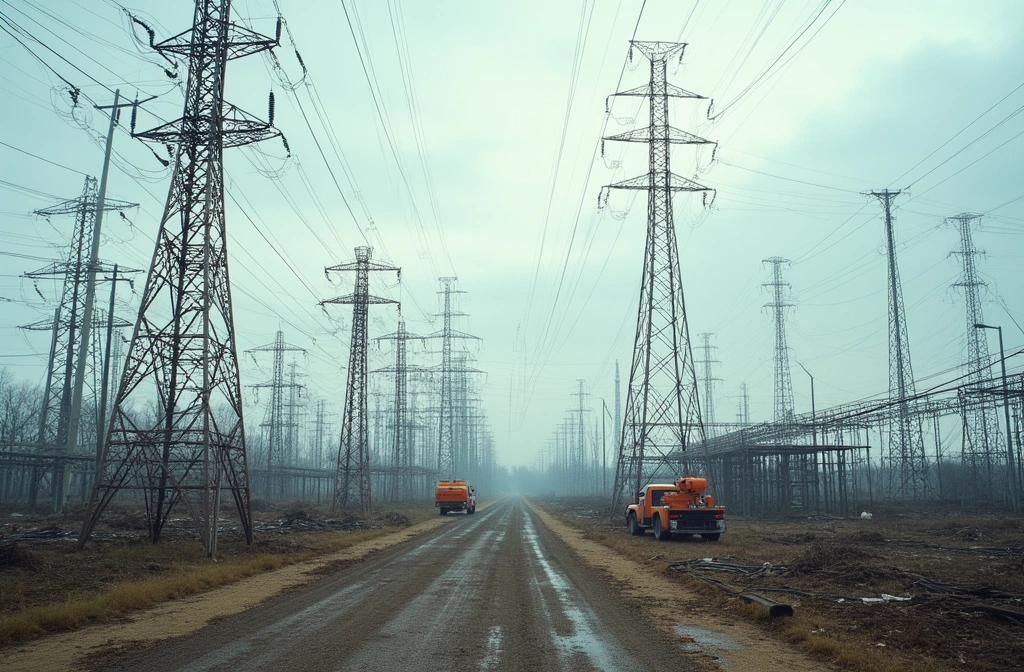
CBS Chicago reported that the Northwest Indiana Public Service Company (NIPSCO) indicated residents may face power outages lasting more than one week following a severe weather outbreak. The report does not specify the exact nature of the weather event, affected service area population, or preliminary cause assessment from NIPSCO.
This timeline matters operationally. Extended outages of 7+ days move beyond typical preparation windows. Backup generators require fuel resupply. Water systems dependent on powered pumps degrade. Refrigerated supply chains begin failing within 24–48 hours, but medical equipment dependency, data center risk, and wastewater treatment systems compound stress at the week-long mark.
For a regional utility to publicly estimate outages beyond one week suggests either: (a) widespread infrastructure damage affecting multiple distribution nodes, or (b) constrained repair crew availability—or both. A single localized failure typically resolves faster. The scale implied here warrants attention to whether this event is being framed as isolated or systemic within NIPSCO's operating area.
Historically, extended outages in the Midwest and Great Lakes region have exposed vulnerabilities in mutual aid agreements between utilities. The 2003 blackout and subsequent 2009 ice storm in the upper Midwest showed that week-long restoration windows often trigger secondary failures: generator shortages regionally, fuel delivery bottlenecks, and cascading demand on neighboring utilities' capacity. Whether NIPSCO has surge capacity to accelerate repairs, or whether neighboring utilities are positioned to provide mutual aid, remains unreported.
The signal here is not catastrophic—it's informational friction. One week of outage is survivable for prepared households. It is, however, a reminder that infrastructure restoration timelines are widening, and regional resilience often depends on decisions made before failure occurs.
