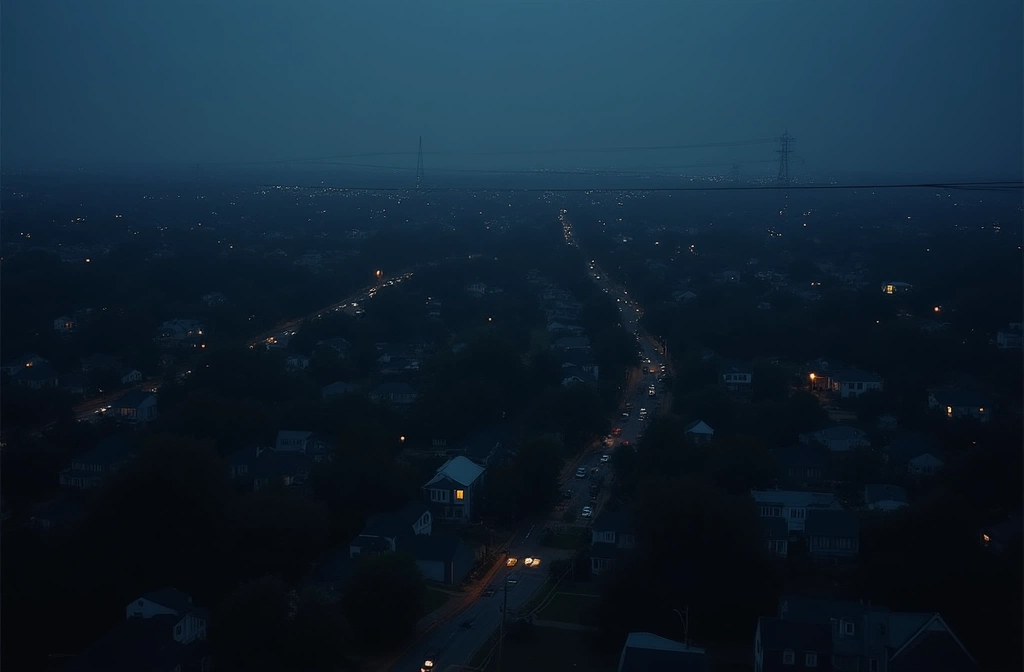
On July 5, 2026, Assemblywoman Dawn Fantasia of New Jersey criticized the state's energy policies after powerful thunderstorms knocked out electricity to more than 150,000 JCP&L customers heading into a sweltering Fourth of July weekend, according to Shore News Network. Fantasia's social media post pointed specifically to widespread power outages and forecasted heat as evidence that aggressive electrification policies—which aim to move heating, transportation, and industrial loads onto the electrical grid—may have outpaced grid hardening and redundancy infrastructure.
Why this matters: The grid transition underway across the Northeast assumes increasing electrification of building heating, vehicle charging, and industrial processes. Large-scale outages during peak demand periods (summer heat, holiday weekends) reveal the operational margin between policy ambition and physical infrastructure capability. When 150,000+ customers lose power simultaneously, the risks cascade: loss of air conditioning during extreme heat, failure of electric heating systems in winter, inability to charge electric vehicles during evacuation scenarios, and potential depletion of backup power reserves in hospitals and critical facilities.
This incident also signals political friction. When elected officials publicly challenge energy policy after grid failures, it may presage legislative review of rollout timelines, investment allocation, and mandatory transition deadlines. Fantasia's criticism suggests that constituent pressure—especially during service failures—is creating space for cost-benefit reassessment at the state level.
What to watch: Monitor whether this outage triggers formal legislative inquiry into JCP&L's tree-trimming practices, storm hardening budgets, or distributed generation capacity in the region. Track whether other Northeast utilities face similar public criticism following summer storms. Watch for any announced delays or cost increases in New Jersey's electrification timeline; those would indicate the political cost of the outage is shifting policy velocity.
