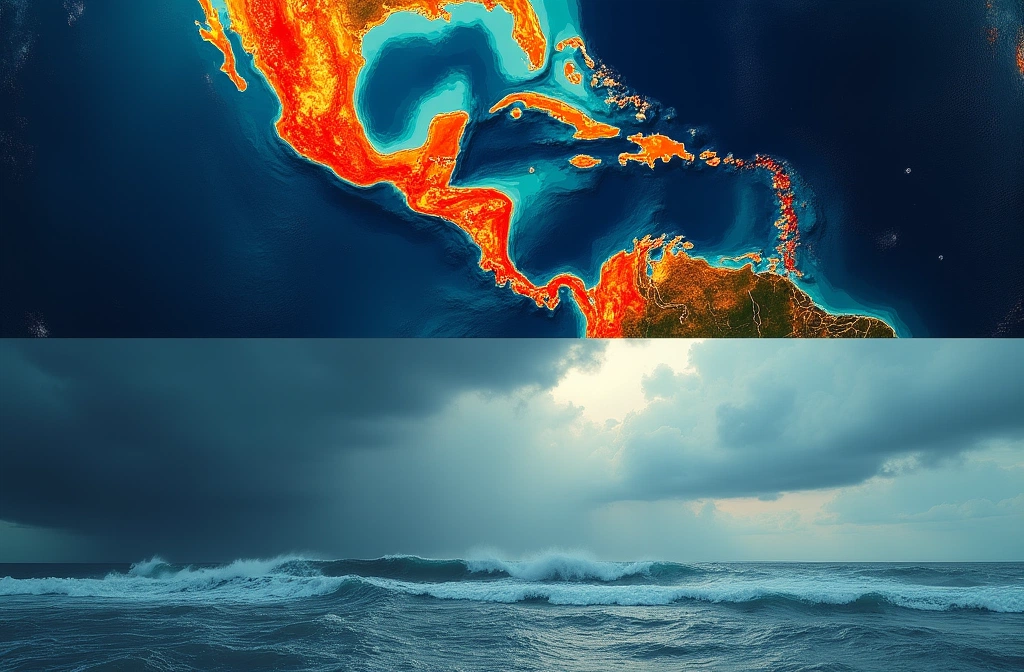
NOAA's Climate Prediction Center reported that El Niño is now 'likely' to develop and persist through the upcoming winter season, according to reporting from Click Orlando. This represents an official shift from lower probability to a more confident forecast window.
El Niño patterns produce measurable changes to regional weather systems, particularly affecting Atlantic hurricane activity, rainfall distribution, and sea surface temperatures. For Florida specifically, El Niño conditions typically correlate with reduced Atlantic hurricane activity but can shift precipitation patterns and influence coastal water temperatures—factors that affect both infrastructure planning and emergency response posture.
The winter 2026 window is critical for preparedness assessment because it overlaps with peak seasonal demand on power grids, heating systems, and water management infrastructure. If El Niño emerges as forecast, water resource managers, utilities, and coastal planners will need to adjust operational assumptions for the season.
However, NOAA forecasts remain probabilistic, not deterministic. 'Likely' means elevated confidence, not certainty. Regional impact specifics—rainfall totals, storm track shifts, timing—will depend on the strength and timing of El Niño development and interaction with local geography.
For preparedness audiences, this is a watch-level signal, not an action trigger. The next critical indicator is NOAA's official El Niño declaration, which typically follows several months of observed sea surface temperature thresholds. Watch for updates from NOAA's Climate Prediction Center in June and July for confirmation as ocean data accumulates. Local Florida emergency management and utilities will begin contingency scenario planning based on NOAA's forecast confidence—the surest sign that systems are taking the signal seriously.
