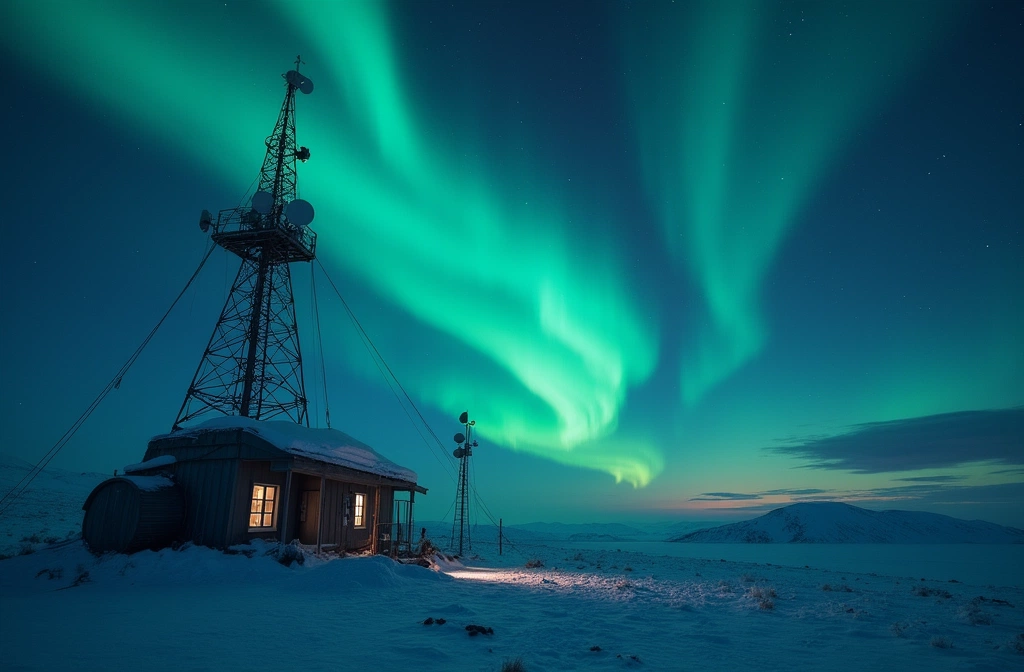
NOAA has extended a G3-level geomagnetic storm watch following multiple solar eruptions, according to reports carried by MSN citing NOAA data. The watch was triggered by triple to quadruple solar flare activity, with auroras persisting in northern regions as the storm watch remains active.
Geomagnetic storms at G3 severity can disrupt high-frequency communications, affect satellite operations, and stress power grid systems in vulnerable regions—particularly at higher latitudes. The extension of the watch, rather than downgrade or cancellation, suggests NOAA's assessment that conditions have not yet stabilized to pre-event baselines.
What makes this event noteworthy: it's not an isolated flare, but a series of eruptions maintaining elevated geomagnetic conditions. The persistence of visible auroras at lower latitudes than typical indicates the magnetosphere remains compressed and disturbed. This can complicate operations for airlines relying on high-frequency radio, satellite-dependent industries, and operators of long-distance power transmission lines.
For critical infrastructure operators, sustained watch status means the risk window remains open. For preparedness-minded individuals and organizations, the extended timeline offers clarity: this is not a brief spike, but a multi-day event requiring active monitoring.
Key indicators to watch going forward: whether NOAA escalates the watch to G4 (severe) or higher; whether the solar disturbance region rotates out of Earth-facing position (reducing future flare risk); and real-time reports of actual grid incidents or communications disruptions. Currently, we have the watch extended—not confirmed widespread damage—which is the distinction between forecast risk and realized impact.
Historically, extended G3 watches can persist for 2-4 days depending on solar wind conditions and coronal mass ejection (CME) arrival timing. The 1989 Quebec blackout was preceded by escalating geomagnetic activity, not a single spike. This event remains in the watch phase. Escalation is possible but not certain.
