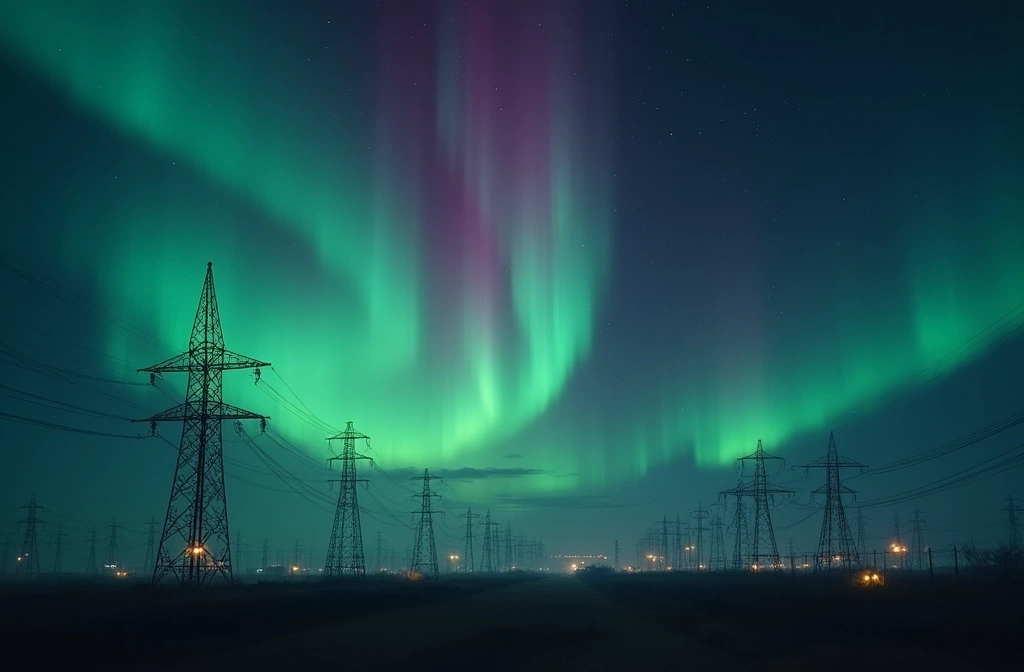
NOAA forecasts a G1 minor geomagnetic storm on August 12, with peak Kp index of 4.67 occurring between 03:00 and 06:00 UTC. According to the forecast, radio blackout probability stands at 1%—effectively no meaningful communications disruption risk.
G1 storms sit at the bottom of NOAA's five-tier geomagnetic disturbance scale. At this severity level, infrastructure exposure is limited. Power grid operators have substantial operational experience managing G1 events without cascading failures. Satellite operations, GPS accuracy, and HF radio propagation may experience minor anomalies, but the margin for error remains wide.
The event matters for preparedness professionals for one core reason: it's a live data point. Every geomagnetic storm—regardless of severity—tests real-world sensor networks, forecast models, and response coordination. NOAA's ability to issue advance warning and narrow the impact window demonstrates the operational maturity of current space weather monitoring. That said, the forecast window (3-hour peak duration) is tight, which underscores why real-time situational awareness matters more than advance panic.
For infrastructure operators and grid managers, G1 events typically require minimal action beyond standard monitoring. For preparedness-minded individuals, this is a reminder to validate your baseline readiness without overreacting to minor events. The distinction matters: conflating low-severity storms with high-severity ones erodes signal-to-noise ratio and hardens decision fatigue when actual risk escalates.
The incoming CME activity that triggered this forecast is worth tracking forward. Individual G1 events are manageable; sustained or repeated activity from multiple coronal mass ejections would shift the risk calculus. Watch NOAA's space weather prediction center for follow-on activity in the 48–72 hour window post-event.
