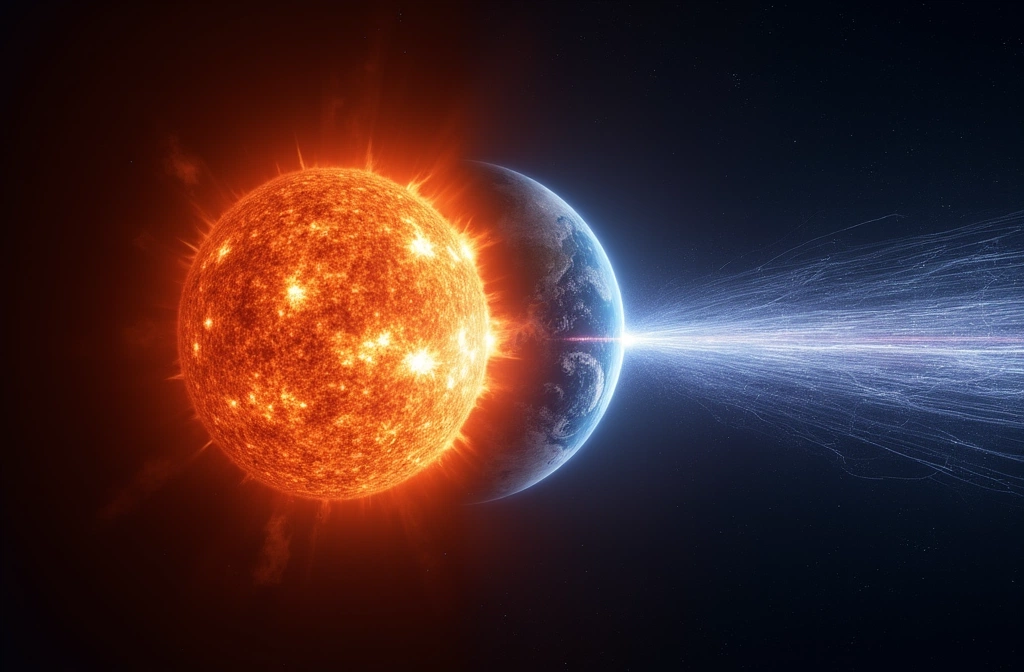
NOAA has issued a forecast for a G1 geomagnetic storm, according to reporting from MSN. The significance here is twofold: the storm itself represents a minor but measurable space weather event, and the detection infrastructure behind the warning reflects a material change in how quickly alerts can reach grid operators and critical infrastructure managers.
G1 storms are the lowest category on NOAA's geomagnetic storm scale, but they are not irrelevant. Even minor geomagnetic disturbances can degrade high-frequency radio propagation, affect GPS accuracy, and stress power grid capacitor systems — effects that accumulate in real-time trading, emergency dispatch, and precision navigation environments.
The more significant development here is the deployment of new satellite capability that is reportedly boosting warning lead time. Historically, geomagnetic storm forecasts have operated on compressed timelines — sometimes hours of notice before impact. Extended warning windows allow grid operators to stage reactive measures: load shedding preparation, transformer de-energization, and communication protocol shifts. This is infrastructure hardening by operational tempo, not by hardware retrofit.
What matters to preparedness practitioners: this storm may be low-severity, but the improved detection signal is durable. As space weather monitoring becomes more granular, the detection-to-impact window will remain a critical variable in cascading failure prevention. A stronger storm (G3-G4 range) hitting with improved warning could preserve grid segments that would otherwise degrade. A stronger storm hitting with legacy warning timelines — which remains possible in any real event — would stress systems lacking that preparation buffer.
Watch for NOAA updates on storm intensity as the event develops. Monitor whether utilities issue public statements on preparedness actions taken. These signals indicate whether the new detection capability is translating into operational advantage across the grid.
