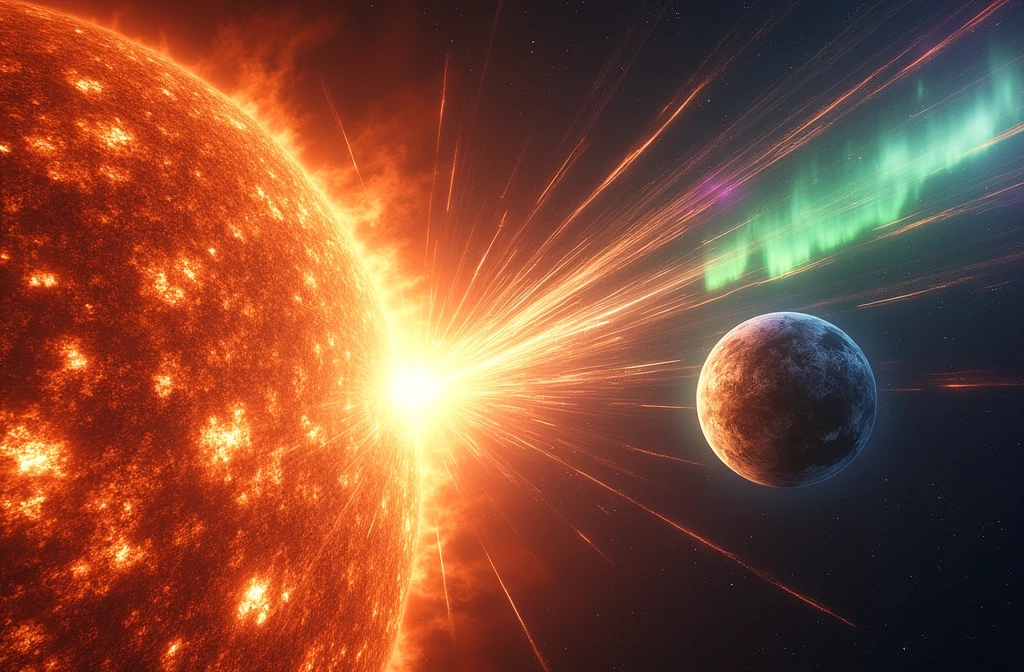
NOAA's Space Weather Prediction Center reported low solar activity through mid-May, with C-class flares dominating the current cycle. However, a coronal mass ejection that departed the sun May 16 may produce isolated G1 minor geomagnetic storm periods May 18-19, according to NOAA forecasters. A slight chance of G2 activity exists for May 19, with aurora viewing potentially favoring far northern U.S. regions.
Why this matters: G1-G2 geomagnetic storms are minor events that rarely cause grid-scale disruptions or communications outages. However, they do stress transformers and can degrade high-frequency radio propagation and GPS accuracy—systems relied upon by aviation, maritime navigation, and precision agriculture. Satellite operators also monitor these events closely. The current forecast severity is well within historical norms and does not suggest imminent infrastructure risk.
What to watch: The geomagnetic storm window closes by May 19. Watch NOAA's Space Weather Prediction Center updates through the weekend for any escalation toward G3 (strong) or higher levels, though the current trajectory suggests a minor event. If successive CMEs develop or if NOAA upgrades the forecast, that would signal increased attention is warranted. For now, systems operators should verify backup procedures are current but need not activate emergency protocols.
Context: Minor geomagnetic storms occur multiple times per solar cycle and are part of normal space weather. This event reflects the sun's natural variability and does not indicate unusual solar aggression or accelerating cycle intensity.
