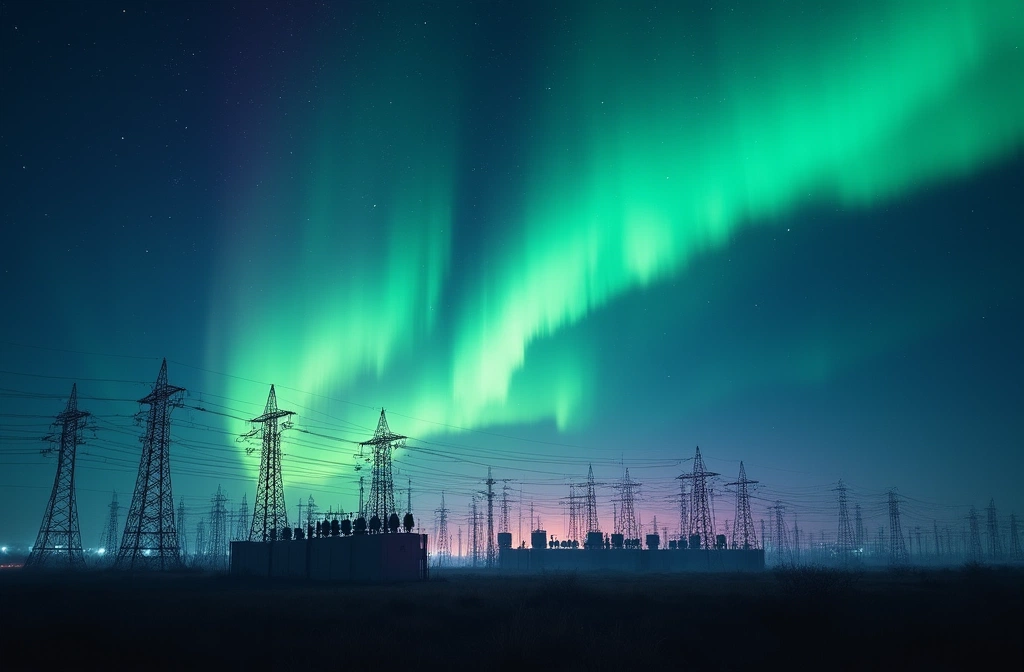
NOAA Space Weather Prediction Center has confirmed a Strong Geomagnetic Storm (G3) Watch in effect for 4–5 June UTC, with multiple updates issued as the watch window approaches. The alert follows R2 radio blackout conditions that NOAA reported reached on 3 June, and G2-level geomagnetic storm conditions also documented during the same period.
G3-level storms represent the third-highest tier on the 5-point geomagnetic storm scale. At this intensity, power systems at higher latitudes may experience voltage control problems, and some protective devices may trip out. High-frequency radio propagation becomes unreliable across entire paths, while low-frequency navigation signals can degrade significantly. Satellite operations face increased drag in low Earth orbit, and auroras become visible at unusually low latitudes across much of the continental U.S. and Europe.
The fact that NOAA issued multiple updates on the same watch window—suggesting refinement or escalation of confidence—indicates the forecasting center is tracking an active solar disturbance with measurable risk. R2 radio blackout conditions preceding the G3 watch suggest coronal mass ejection (CME) or high-speed solar wind effects are already in-stream.
For infrastructure operators, communications networks, and satellite operators, G3 conditions demand elevated monitoring of critical systems. Power utilities in high-latitude regions should verify reactive power reserves and voltage support. Airlines operating polar routes may experience HF radio degradation and should have contingency communication protocols ready. GPS-dependent systems (financial networks, telecommunications synchronization, precision timing) should have fallback protocols activated.
Historically, G3 storms occur roughly 4–6 times per solar cycle and are not rare events—but they consistently produce measurable impacts on space-dependent infrastructure. The 2003 Halloween storms reached G4 levels and caused the Hydro-Québec power grid collapse; this event sits one level below that threshold but demands the same operational discipline from critical infrastructure operators.
