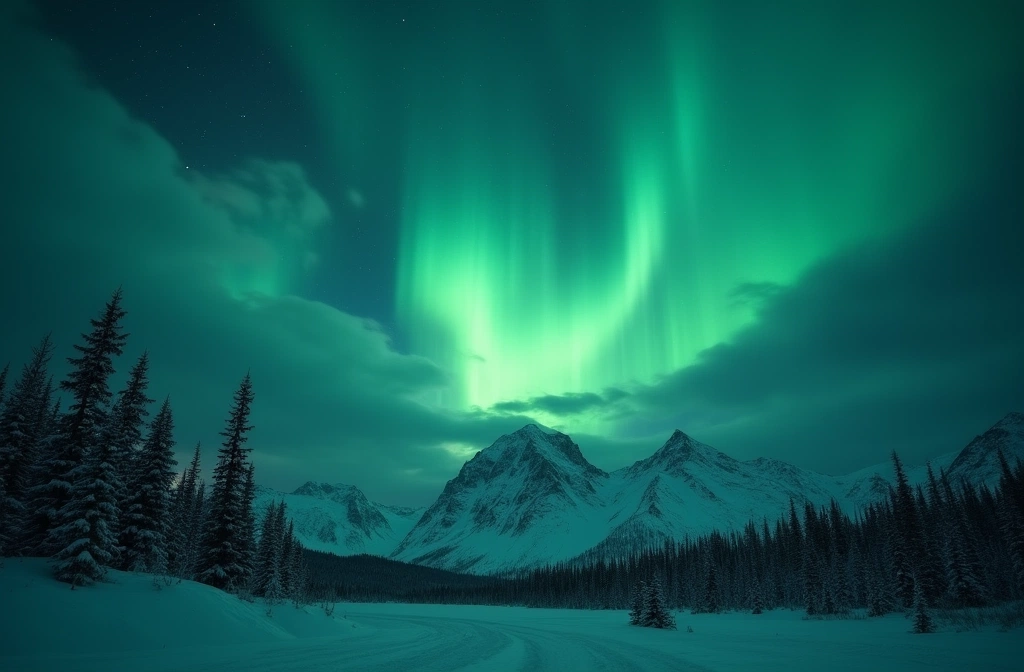
NOAA reported a G1-class geomagnetic storm alert as solar flares and coronal mass ejections (CMEs) prepare to impact Earth's magnetosphere this weekend, with aurora activity expected across ten northern U.S. states.
G1-class storms sit at the lower end of the geomagnetic disturbance scale. At this level, impacts typically remain limited—minor fluctuations in power grid operations, possible auroral displays at high latitudes, and minimal disruption to satellite communications or GPS services. This is the baseline noise of solar weather, not an infrastructure crisis.
But here's the operational reality: G1 events are frequent enough that they're a useful test case for how unprepared many regional systems actually are. Power utilities with aging infrastructure, insufficient shielding, or poor redundancy can experience localized voltage instability even at low K-index values. Satellite operators and airlines relying on high-frequency communications may see brief degradation. GPS-dependent precision agriculture, surveying, and emergency dispatch systems could experience minor accuracy drift.
The practical value of this event isn't panic—it's calibration. This is a live drill. If your preparedness posture breaks at G1, you have a serious problem before a G4 or G5 event arrives.
For individuals: Test your off-grid communication redundancy. Verify your battery and power backup systems actually work under light stress. For infrastructure stakeholders: Document system performance during this event. Note which systems showed sensitivity. That data is gold for prioritizing hardening investments.
This weekend's storm is low-impact noise. Use it as signal. Solar activity is cyclical—we're moving into a period of increasing solar output as we approach solar maximum around 2025-2026. Events like this will become more frequent before they become less frequent. The question isn't whether a stronger storm is coming. It's whether you'll use this one to improve your posture against the next.
