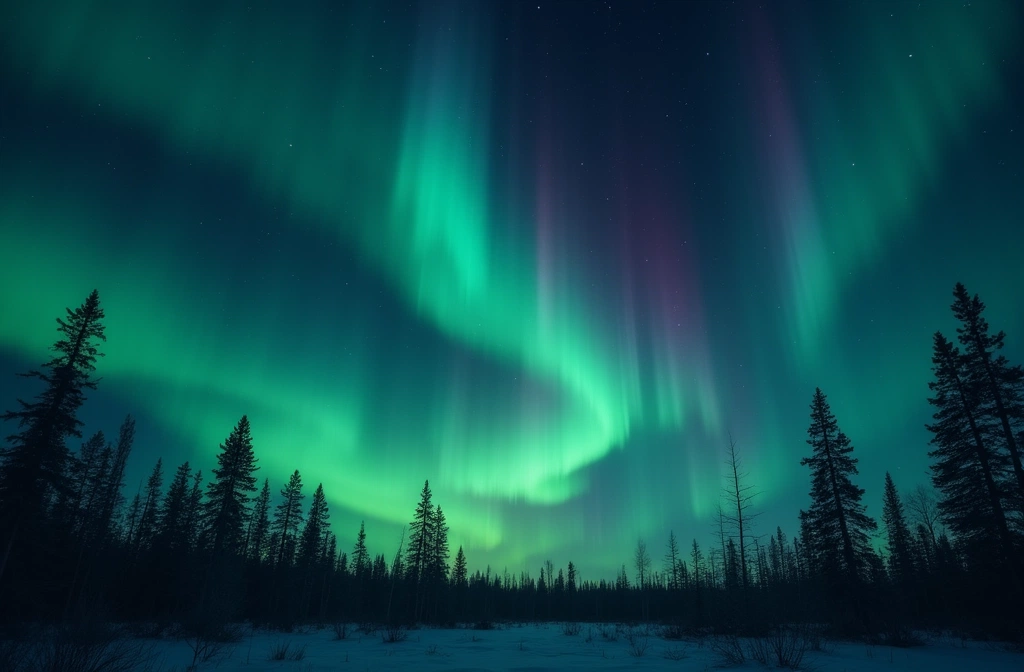
NOAA warned of a G2 geomagnetic storm with aurora potential on July 3, according to reporting from MSN. The alert was first flagged on July 17, indicating the storm window may extend beyond the initial forecast date or represents updated modeling of solar activity already in motion.
G2 storms sit at the moderate end of the geomagnetic disturbance scale (G1–G5). At this level, expect measurable but not catastrophic impacts: voltage irregularities on power systems (particularly at high latitudes), minor GPS accuracy degradation, and possible satellite drag. Transformers and long-distance transmission lines are monitored during these events, but widespread blackouts are unlikely at G2 severity.
The aurora announcement indicates significant solar wind energy has reached or is forecast to reach Earth's magnetosphere. This is the only practical early warning civilians and infrastructure operators receive before ionospheric effects cascade downstream.
What matters here: Grid operators and utility companies have had standing protocols for G2+ events since the 1989 Quebec blackout. Many have upgraded monitoring and load-shedding capabilities. However, regional vulnerability varies. Areas dependent on long north-south transmission corridors carry higher risk than meshed grids.
For communications infrastructure, satellite operators typically increase monitoring and adjust satellite attitude control to manage atmospheric drag during the storm window. Precision timing networks (GPS, atomic clock distribution) may see temporary degradation, affecting financial markets, cellular tower synchronization, and emergency services that rely on split-second accuracy.
Historically, G2 storms occur roughly 3–4 times per solar cycle and produce observable auroras as far south as the northern United States without causing major infrastructure failures. The 2003 Halloween storms (which included G4 events) caused transformer damage and service interruptions, but G2 events alone do not typically trigger cascading blackouts when operators are prepared.
The key indicator to watch: whether NOAA escalates the warning to G3 or higher in the 48 hours prior to July 3. That would signal stronger solar wind conditions and warrant closer attention to grid status reports.
