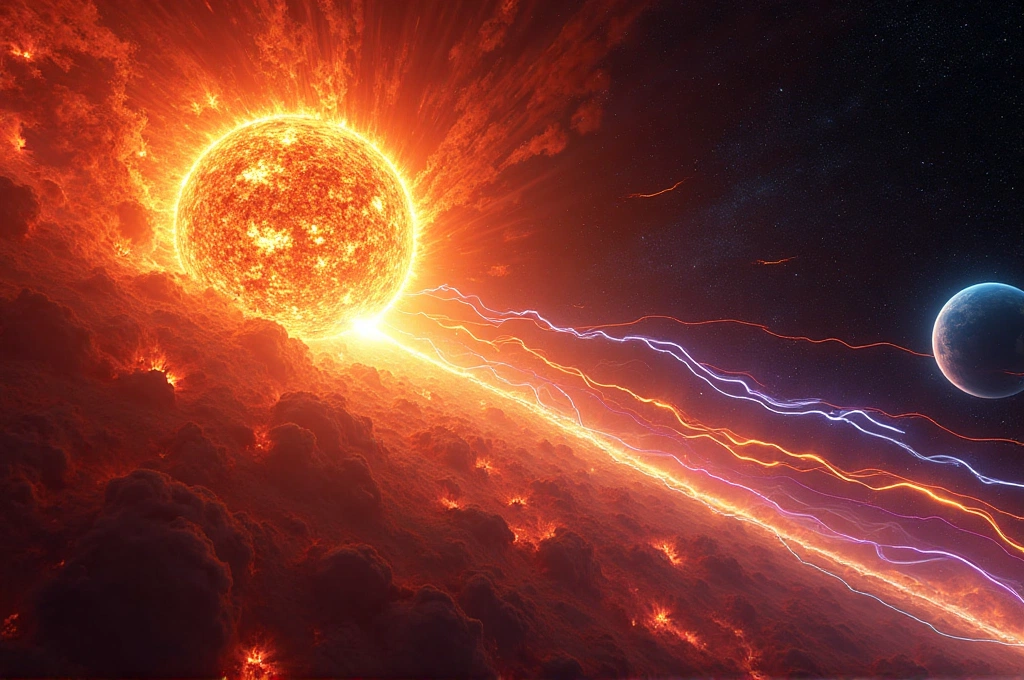
NOAA's Space Weather Prediction Center (SWPC) issued a G2-level geomagnetic storm watch for Friday, August 28, according to reporting from Space.com. The watch was triggered by coronal mass ejections (CMEs) launched from the sun and now headed toward Earth. Aurora activity is expected to increase Aug. 27-28, potentially visible at higher latitudes.
G2 storms are classified as moderate on NOAA's 5-point geomagnetic storm scale. At this level, the primary impacts are typically limited to high-latitude regions and may affect satellite operations and high-frequency radio communications. Power grid effects at G2 are generally localized rather than widespread.
For infrastructure operators, G2 events warrant standard space weather protocols: enhanced monitoring of transformer loads, voltage stability on high-latitude transmission lines, and backup communications readiness for satellite-dependent systems. Airlines and utilities with polar routes or operations should review contingency procedures.
For civilian preparedness, a G2 watch is not a trigger for emergency action. However, it serves as a useful operational marker. If you rely on GPS, satellite communications, or HF radio for redundancy, confirm those systems are functioning normally before the event window. Those in northern regions may observe aurora activity—neither a threat nor an opportunity to relax vigilance on other preparedness factors.
The key metric to watch: whether this event escalates to G3 or higher. If SWPC upgrades the watch to G3 or G4 before impact, the risk profile for grid stress and communications degradation increases materially. Current signals do not indicate escalation, but space weather can shift rapidly. Monitor SWPC updates through Aug. 28 for any watch level changes.
